
August - 2016 - Catholic Diocese of Brownsville
Volume 8, Issue 3 ‘God is always victorious’ Pro-life efforts continue in earnest regardless of Supreme Court ruling Serving More Than A Million Catholics in the Diocese of Brownsville EL PAPA EN PEÑITAS By ROSE YBARRA The Valley Catholic McALLEN — On June 27, the Supreme Court struck down regulations at Texas abortion clinics that required them to comply with standards of ambulatory surgical centers and required their doctors to have admitting privileges at local hospitals. The case challenged a 2013 Texas law, H.B. 2, placing the requirements on the state’s abortion clinics. Opponents of the law claimed the requirements were aimed at closing abortion clinics. But the state and many pro-life advocates maintained that the law protected women’s health. The ruling was met with sadness and disappointment at the McAllen Pregnancy Center, a Catholic, pro-life facility committed to saving babies from abortion. The staff and volunteers of the center spend hours every week on the public sidewalk outside the local abortion facility praying as well as counseling the women. They also attempt to hand them literature about the realities of abortion and information about the pregnancy center, which provides free, confidential services for women facing crisis pregnancies. The day the Supreme Court ruling was handed down, the staff and volunteers quickly received affirmation that their ministry, presence and prayers really do matter. Melinda Aleman, a young mother who the staff had met on the sidewalk and rescued from having an abortion, visited the McAllen Pregnancy Center for the first time since having her baby. Aleman is well known by the center staff and volunteers. An image of Jesus on the Cross is visible in the sonogram she had at the McAllen Pregnancy Center after leaving the abortion clinic, just moments before she was set to have an abortion. “This was truly something incredible,” said Yolanda Chapa, august 2016 Pope delivers personal message to Valley youth The Valley Catholic Photos by Amber Donaldson/The Valley Catholic Top photo: Bishop Daniel E. Flores sits amongst the youth to watch a personal video message from Pope Francis at the first World Youth Encounter/Encuentro Mundial de los Jóvenes on July 26 at St. Anne Parish in Peñitas. Bottom photo: The youth celebrate the opening of the all-day event. See Page 14 for more photos and for the full text of the Pope’s message. » Please see Pro-Life p.3 PEÑITAS — “God calls you to create hope. God calls you to receive mercy and to give mercy. God calls you to be happy. Do not be afraid. Do not be afraid. Risk it all. Life is like that,” said Pope Francis via a personal video message to the youth of the Diocese of Brownsville. On July 26, as millions of youth from around the globe were gathering for World Youth Day in Krakow, Poland, the pope’s message was viewed at St. Anne Parish in Peñitas where a local World Youth Day celebration was held. Bishop Daniel E. Flores sat » Please see Papa en Peñitas p.9 WORKS OF MERCY THOSE WHO SERVE ‘DO NOT BE AFRAID’ EN ÑOL ENESPA ESPAÑOL Articulos sobre la lucha provida y las obras físicas de misericordia “VERBUM MITTITUR SPIRANS AMOREM” (“The WORD is sent breathing love.”) Clothing the naked Sister Maria T. Sanchez, MCDP Full text of the Pope’s message Page 3 Page 9 Page 14 Páginas 11-13 2 DIOCESE The Valley Catholic - Catholics urged to fast, pray for peace Catholic News Service MANCHESTER, N.H. — Bishop Peter A. Libasci of Manchester is urging Catholics to pray and fast for peace in response to the ongoing violence in the U.S. and around the world. “The current civil unrest in our country, the acts of unspeakable violence in Orlando, Dallas, Baton Rouge, and in Nice, France, the violence and political instability in Turkey, and the ongoing suffering in the Middle East — all are clear expressions of a rampant evil in our time,” Bishop Libasci wrote in a July 17 statement, saying: “Individual Catholics as well as the church as a whole must do more.” The letter, addressed to New Hampshire Catholics, asked them to commit to a day of fasting and partial abstinence Aug. 12. He also directed that special prayers for peace be said at Masses Sunday, Aug. 14, and urged Catholics to also go to Mass Aug. 15 to say additional prayers for peace. Meanwhile, the Holy League based in La Crosse, Wisconsin, and the Men of Christ are organizing a novena for the nation to take place Aug. 15-Oct. 7. In his letter, Bishop Libasci also asked “religious leaders of all persuasions, and all people of good will” to join Catholics in solidarity “as a visible sign of hope in our world.” “I am calling on all people to pray for an end to violence,” he wrote. “Regardless of our differing religious beliefs, or differences in culture and background, the ongoing bloodshed in our country and abroad unites us in shock, horror and outrage. Let us turn to Almighty God with acts of atonement and reparation and ask him to grant to our world his healing peace.” Bishop Libasci, writing nine days before a priest was killed while celebrating Mass near Rouen, France, said: “Calamity in our streets and the rampant seething of perverse evil in our world, always seeking more to devour, causes me to wonder » Please see Novena for Nation p. 15 Election year requires careful discernment Bishop Daniel E. Flores shared his thoughts about this election year in a recent interview for Crux, an online news site. The following is his response to some of the questions. We are in the middle of an absolutely insane election cycle. I’m assuming many of the assumptions and lenses offered by the talking heads on CNN, Fox News, and MSNBC are not shared by the people to whom you minister. What might be learn from their approach? Media outlets tend to frame the discussions around winners and losers, conservative and liberal, who has power and who wants it. The people in my diocese, as in most places around the country, are first concerned about being able to raise a family and provide for their children. I learn a lot from parents doing their best to provide a safe and happy home. There are many struggles; I see a lot of heroism. Parents worry that their kids might become disconnected, or choose a wrong path due to cynicism. Young people are worried about being trapped in an economic system over which they have no control, or about not being able to pursue an education because of economic or immigration law restraints. There is concern about violence, not just here, but in Mexico. And not just because it affects our society in some abstract way, or because it threatens them, but because it affects our neighbors. In my diocese there is a strong neighborly concern for the good of the community. Republicans and Democrats often work together on the local level for improving education, trying to keep kids in school and connected, and for attending to the needs of the poor. As I already mentioned there is great generosity here. There is also a sense that the social fabric is tearing. People know instinctively that the best way to address that is to help each other by acts of kindness and practical assistance. The thing I most commonly hear from folks I talk to here in the Rio Grande Valley runs like this: “Why is it that one party is blind to the dignity of the unborn child, and one party is blind to the dignity of the immigrant? Why does one party exalt choice above even life, and the other exalts economic power above even the good of family life?” Such 700 N. Virgen de San Juan Blvd., San Juan, TX 78589-3042 Telephone: 956/781-5323 • Fax: 956/784-5082 Bishop Daniel E. Flores Publisher www.cdob.org Brenda Nettles Riojas Editor Subscription rate $15 per year • $17 outside of Texas $25 out of U.S. Rose Ybarra Assistant Editor The Valley Catholic, a publication of the Diocese of Brownsville, is published monthly South Texas Circulation Circulation Member of the Catholic Press Assocition The Valley Catholic email: [email protected] Follow us on Facebook Catholic Diocese of Brownsville Advertising Gustavo Morales (956) 266-1527 august 2016 Gilbert Saenz (956) 451-5416 MOST REVEREND DANIEL E. FLORES BISHOP OF BROWNSVILLE questions indicate that many see through the rhetoric of both parties, and are aware that in diverse ways each promotes a power structure that leaves the vulnerable and defenseless aside. I tell local Catholics who have influence in the Democratic Party to be a strong voice on behalf of the dignity and right to life of the unborn child within the party. Defending the unborn child is the single most decisive social justice issue of our time. The “higher-ups” in the party need to hear their voice. I tell local Catholics who have influence in the Republican Party to be a voice of a comprehensive immigration reform that is family-friendly and that establishes a rule of law that can tell the difference between a criminal immigrant and an immigrant fleeing criminals. The “higher-ups” in the party need to hear their voice. I could testify to the power structures of both major parties that there is more diversity within their party ranks than they are willing to acknowledge. A lot of pro-life Democrats here. A lot of pro-immigration reform Republicans here. The media may frame things in terms of right and left, or winners and losers, but they could learn something from the regular folks who see things in terms of hopes for children, helping people in trouble, trying not to forget the little ones, the elderly, the sick and the dying, the unemployed and the poor. I’ve heard some Catholics say that, yes, Donald Trump has a position on immigration that is at odds with the teaching of the Church, but that is based on a prudential judgement and not one of the “Five Non-Negotiables.” What is your response to this kind of argument? Prudence judges circumstances in light of principles that are rightly ranked in terms of gravity. Keeping that in mind, circumstances are different this year. It is not possible now to take the issue of Immigration policy only as a matter of having diverse positions on a badly needed reform of the system. One could argue that in prior elections there was a dispute between the parties about whether a reform was needed, and about what principles would guide a possible reform. This year, there is a proposal on the table to proceed with mass deportations of undocumented men, women and children. One cannot in conscience countenance a program of mass deportation. It is a brutal proposal. In some instances, particularly dealing with the Central American mothers and children, and deportations into some parts of Mexico, we are dealing with placing them in proximate danger of death. I consider supporting the sending of an adult or child back to a place where he or she is marked for death, where there is lawlessness and societal collapse, to be formal cooperation with an intrinsic evil. Not unlike driving someone to an abortion clinic. So, even as a Catholic finds the radical pro-abortion platform of the other party beyond reprehensible, there is no comfort for the conscience of a Catholic on the side of a radical program of mass deportation. Both positions are assaults on the dignity of life, and in the case of mass deportations, can be linked to no. 24 of Faithful Citizenship (FC): “treating the poor as disposable.” Overall, I think we have to look at no. 35-38 of FC very carefully. We should all read it and think about its implications between now and Election-Day. I think it is worth citing number 36 in particular: FC no. 36: When all candidates hold a position that promotes an intrinsically evil act, the conscientious voter faces a dilemma. The voter may decide to take the extraordinary step of not voting for any candidate or, after careful deliberation, may decide to vote for the candidate deemed less likely to advance such a morally flawed position and more likely to pursue other authentic human goods. It seems that if a Catholic votes for either major candidate, he or she must do so with a conviction that the evil the candidate supports can be successfully opposed, and that other aspects of their policy proposals are sufficiently good to warrant voting for them. Thus if a Catholic votes for a pro-abortion candidate or for a pro-mass deportation candidate, for what FC calls “morally grave reasons,” because the candidate is deemed less likely to advance such a morally flawed position and more likely to pursue other authentic human goods there should be conscientious commitment by the voter to oppose strenuously the pro-abortion agenda or the pro mass-deportation agenda respectively And there are other factors that FC rightly asks us to think about, including a candidate’s commitments, character, integrity, and ability to influence a given issue. And note, that I have not even addressed the issues of targeting innocents (who may be relatives of evil-doers) in military actions, or indiscriminate use of drones in warfare. Nor have I mentioned a great many important issues raised in FC and which we must take into account. Another kind of response from Catholics is to refuse to participate. I’ve heard calls to “fast from voting.” The philosopher MacIntyre insisted back in 2004 from that when we are given two bad options we must choose neither. What do you think of this approach? Yes, well, FC no. 36 does recognize that possibility. MacIntyre had in mind a broad awareness that the two political parties are in different ways locked into positions that contravene the common good. It may be that a Catholic in conscience judges that both major candidates are likely to be successful in enacting intrinsically evil policies. Here, the voter makes a judgment that the effect of voting for such a candidate offends the divine justice-- even if one commits to opposing the evils a candidate supports-- to such an extent that it stains their conscience before God. I know a number of ordinary folks who are actively contemplating the option of not voting in the presidential race. Others are thinking about supporting a third-party or write-in candidate. I could understand such a position, but hasten to add that we are still bound in some way to participate in the political process, in this case by voting in Congressional races, and state and local races for candidates who do in fact support the protection of unborn life, who will work for economic and racial justice, justice for immigrants, and care for the poor and marginalized. Hence, the decision not to support one of the main presidential candidates is not a decision to abstain from the political process altogether, but rather a decision to register a voice that says the two major presidential options are unacceptable, while at the same time voting with a well-formed conscience in other races. No doubt many Catholics will in fact vote in the presidential election. I pray they do so with great seriousness, and with a clear mind about what in the candidate’s positions is worthy of support, and what in his or her positions must be actively opposed should they be elected. When MacIntyre says “Why should we reject both? Not primarily because they give us wrong answers, but because they answer the wrong questions,” I have great sympathy for his perspective. The fact is that for a Catholic the current positioning dynamic that governs the party system is precisely not adequate because it does not flow from a considered reflection on what is indeed good about, in and for human life. In that sense, both political parties too often give answers to the wrong questions. A Catholic feels this keenly when faced with a shrill rhetoric that emanates from both corners of the ring. Still, Catholicism is ever realist about the political dynamic in history. We neither expect it to usher in the eschaton, nor do we consider it useless. We try to work with it, participate » Please see Election p. 8 Bishop Flores’ Schedule - AUGUST 2016 Michael Kent (956) 566-7075 Aug. 2 5 p.m. La Joya Mass - Community Wedding Vows & 50th Parish Anniversary Our Lady, Queen of Angels Aug. 6 7 p.m. Brownsville Closing Mass - Ministerio de Sanacion Interior at Jacob Brown Aug. 22 7 p.m. La Feria Mass - Annual Queen Ship of Mary Celebration at St. Francis Xavier Aug. 27 10 a.m. Brownsville Mass - 50th Parish Anniversary at Holy Family august 2016 DIOCESE - The Valley Catholic 3 Valley residents, volunteers clothe thousands More than 40,000 immigrants have received assistance Editor’s note: Join us as we witness mercy in action each month during the Year of Mercy By ROSE YBARRA The Valley Catholic McALLEN — Miguel Angel Maldonado and his eight-yearold son, Alex left Honduras with a few documents and the clothes on their backs. They traveled through three countries and two international border rivers en route to the United States. They were held in detention by Border Patrol for three days before being released with a future court date to appear for an immigration hearing. They were taken to the respite center at Sacred Heart Parish in McAllen where they showered and changed their clothes for the first time in 15 days. “Fifteen days,” Miguel Angel Maldonado repeated in Spanish, his hair still wet from his shower. “I never thought I would appreciate clean clothes as much as I do right now. We feel like new.” Freshly showered, father and son Tomas and Jose Luis Gomez of Guatemala smiled as they sat down to eat lunch. When asked how they felt after taking a shower and changing their clothes, Tomas Gomez responded, “Suave!” (great). They had not bathed or changed their clothes in six days. The vast majority of the clothes given out since the respite center opened in June 2014 has been donated by local residents. Tables, plastic bins, shelves and clothing racks are stocked with clothing and shoes, separated by size, item and gender. This makes it easier for the volunteers who are assisting the families to find what they need quickly. More than 40,000 immigrants have received assistance at the respite center. Volunteers spend hours sorting and organizing the clothing each week. They also assess what items are lacking. Oftentimes, the needs of the center come to light via media reports and posts on social media and the public responds with donations. “There is always work to do as far as the clothing goes – and it’s a blessing,” said Francisca Mondragon of Mission, a regular volunteer at the center. “Thanks be God we have plenty of donations.” McAllen resident Nancy Ruiz brought in a large donation of clothing, shoes, backpacks and toys on July 18, items she and several friends collected. “We are blessed and fortunate that we want for nothing,” said Ruiz, a parishioner of San Cristobal Magallanes & Companions Church in Mission. “The least we can do is bring what they need.” Ruiz has donated clothing and food to the center several times. She says she prays for the immigrants and is happy to assist them as they get on their feet. “I pray that someday they do well enough to pay it forward,” she said. Fany Cruz of La Ceiba, Honduras, arrived at the center with her three children, ages five, The corporal works of mercy: Feed the hungry; Give drink to the thirsty; Clothe the naked; Shelter the homeless; Visit the sick; Visit the prisoners Bury the dead. Photos by The Valley Catholic Top: Freshly showered mother-of-three Fany Cruz of La Ceiba, Honduras was all smiles on July 18 at the respite center at Sacred Heart Parish in McAllen. “We’re super happy because we’re clean! We hadn’t bathed in five days.” Right: Respite center volunteers spend hours sorting and organizing clothing each week. seven and 10. She was preparing to travel New Orleans to reunite with her husband. Volunteers gave her and her children clothing and even light sweaters for the trip. “I am grateful for the clothing and everything else we have received,” Cruz said. “This journey, traveling alone with my children, has been very scary at times, but the kindness we have encountered here has made it bearable. Tenemos esperanza de salir adelante.” (We have faith we can succeed.) Pro-Life continued from pg. 1 founder of the McAllen Pregnancy Center. “On the day the Supreme Court ruled against us, she and her baby, Ricardito, came to visit us. “To us, it was like God saying, ‘yes, the Supreme Court has ruled against you, but I am all the way in favor of what you do here and this is my proof.’” Images of the “miracle sonogram” had been shared amongst the staff and volunteers, but not with the media, Chapa said. “It’s time to let everyone in the diocese know – and hopefully they can pass the word on – about how God is so present in this ministry and how much he is against abortion and in favor of life,” she added. The next day, another young woman and her baby who were saved from abortion also visited the center and thanked them. “We believe it was yet another message from the Lord saying, ‘Look, you all are doing the right thing. I know you are really discouraged, you are thinking that this is all going to come to an end, but no, God is always victorious. You have to persevere. You have to remain grounded spiritually and just have faith and trust and The Valley Catholic A sonogram of Melinda Aleman’s baby boy Ricardo, who is now five-months-old, appears to show an image of Jesus on the cross. the Lord will do the rest.’” Melinda shares her story Aleman, a resident of La Joya, was 19-years-old and already had a toddler at home when she found out she was pregnant again. “I didn’t want it,” she said. “I wasn’t working or anything so I thought the baby was going to come here to suffer.” She discussed the pregnancy with her grandmother, who offered her the money for an abor- tion. The two of them made several trips to the abortion clinic in McAllen over a few days to make payments. “Every day, when I got home, I was talking to God and asking him to give me a signal on what to do,” Aleman said. On the day she was scheduled to have the abortion, she and her grandmother parked in the wrong parking lot – and away from the “pro-choice escorts” from the abortion clinic who attempt to shield the women from the pro-life sidewalk counselors. There were several prayer warriors present on the sidewalk, including one who was carrying a cross and another holding an image of Our Blessed Mother. “Everything was by the hand of God,” said Sister Julia Onunkwo of the Daughters of Mary Mother of Mercy, who was recently named the executive director of the McAllen Pregnancy Center. “Her parking in the wrong lot gave us an opportunity to talk to her. Had the escorts had been there, it would have been difficult. “We gave her our literature and promised to help her. We even offered to have a baby shower for her. I could tell Melinda was sad and confused. She looked at her grandmother for guidance, but her grandmother didn’t say anything and they walked into the clinic.” Aleman was in the room where she was to have scheduled to have the abortion when she excused herself to go to the restroom. “I started crying uncontrollably,” she said. “When I saw the people holding the big cross and the picture of the Virgin Mary, I felt bad. I thought maybe this is the signal from God to keep my baby. I took the pamphlet that Sister Julia gave me out of my pocket and read it. I went and got my grandmother and we left the abortion clinic. I couldn’t go through with it.” “God didn’t want this baby to die,” Sister Onunkwo added as five-month-old Ricardo sat in her lap. As promised, the staff and volunteers hosted a baby shower for Aleman and have stayed in contact with her, offering her support, prayers and encouragement. Aleman said she is grateful the prayer warriors and sidewalk counselors were there. “They made the difference,” she said. “When you see them, it makes you think twice. I thank God they were there. I think if they hadn’t been there, something else would have happened.” — With information from Catholic News Service DIOCESE »Women en la Frontera The Valley Catholic - august 2016 4 »Back to school Because the mercy of God knows no limits W hy Peñitas, in a colonia known as Pueblo de Palmas? Why such a remote area along the U.S.-Mexico border where many in our own Rio Grande Valley here in South Texas have never visited? And why would the Holy Father send a message to the people of a rural area that some say is “insignificant”? These are questions Father Michael Montoya, a Missionary of Jesus priest, who is pastor of St. Anne Quasi-Parish in Peñitas, Texas and its three missionary churches, continues to hear as he was finalizing plans for a World Youth Encounter/Encuentro Mundial de los Jovenes on July 26. This local celebration, which coincided with World Youth Day in Krakow, Poland started off as an idea to help the young people in one of the poorest areas in the country see how they are connected with the Church and young people from around the world. Given the extreme poverty levels in the community and their immigration status, it is impossible for most to travel. In Peñitas, explains Father Montoya, traveling even from their homes to church comes with risk. Some fear the real danger that if they are pulled over for even a minor driving infraction, they could be deported. Father Montoya points to what he refers to as a “military presence” in the area. There is a no shortage of local police, sheriff ’s deputies, state Brenda Nettles Riojas Editor of The Valley Catholic troopers, U.S. border patrol agents and National Guard patrolling the area located just miles from the U.S.-Mexico border. “It’s a constant reminder to the people that something is not right. We live so close to the wall that divides families, it affects self-identity. All the images we receive from the outside are negative. It’s always connected to the border, always connected to the things we cannot do,” said Father Montoya. Add to this the poverty and lack of basic infustructure in some neighborhoods that do not even have sewage and water lines. “There are many circumstances,” Father Montoya said, “that make it difficult for the people. They think they are forgotten.” But they are not forgotten. Today they are celebrating after learning that the Holy Father prepared a personal message for the youth of the diocese, specifically for the youth attending the Encuentro Mundial de los Jovenes at St. Anne Church in Peñitas. “The parish of St. Anne is beyond happy. Things like this don’t happen to a place like Peñitas,” said Father Montoya. “The pope is sending a message to us! I think that is proof enough, that the love of the Church for our poor people is really palpable, it’s real.” So even before they heard the message, the community celebrated the fact that a message was on its way, that the Holy Father took the time to think of them. As Father Montoya stressed, the idea of hosting the encuentro in Peñitas was to help the people witness that “the mercy of God knows no limits within a Church that knows no borders,” “that it reaches even the remotest part of the world. We don’t have to be in the center of power to be recognized by the Church.” Forgetting perhaps, that the infant Jesus chose to be born in the small town of Bethlehem and not a city center, many doubted that such an event like the encuentro could happen in such an “out of the way” place. The people of Peñitas and surrounding communities proved otherwise. “Not everyone can travel to Poland for World Youth Day,” explained Father Montoya, “but we believe that even in our area, a profound and meaningful encounter with the world’s youth can be organized.” “It’s a re-imagining,” Father Montoya said, “of who we are. We are not defined by the border, we are defined by our culture and by our faith.” This is truly a testament that the mercy of God knows no limits. It should also serve as a reminder to each of us that no matter where God places us, no matter where we stand in the world, we each matter and must do what we can to reach out to those in need and foster a “culture of encounter.” Some people may still be asking, “Why Peñitas?” Three Missionary Sisters of the Immaculate Heart of Mary who have been living and helping in the area for 12 years will tell you, because the people of God here have a deep faith that is not daunted by poverty or other hardships they may endure. The rich faith of the people moved the ICM sisters – Sister Carolyn Kosub, Sister Emily Jocson and Sister Fatima Santiago to remain in the area after they arrived in 2004 to help rebuild the community after it was devastated by a tornado. Through an outreach center they started, Proyecto Desarollo Humano, this underserved area started to blossom. They also built St. Anne Church in 2009. They never dreamed it would become a mother church of a parish four years later, or that one day, on the feast of St. Anne, the Holy Father would send a personal message to the youth of that parish. In the words of ICM Sister Kosub, “God has certainly worked wonders.” »Family Life The ABCs of building a lifelong marriage I t takes a lifetime to build a Marriage! For those of us who are married, it is always important to remember that it takes many elements to continue to build a lifelong marriage regardless of how many years we have been wed. My husband Mauri and I met when I was 14 years old and he was 16; dated for five years and married at 20 and 22 years of age. After almost 42 years of marriage, we still need guidance and sometimes a little tweaking to keep the marriage growing as we continue to change physically, emotionally and spiritually. The following are a few of many elements I believe are needed along the path to a “till death do us part” marriage. A: Affection and Affirmation. The authors of the Marriage Enrichment Program titled “Ten Great Dates” David and Claudia Arp suggest that couples give one another a 10-second kiss when they leave for work in the morning and upon their return. Participants to some of the Marriage Building Programs our Family Life office offers find this recommendation a fun reminder of the importance of affection and bonding. Along with affection, affirmation is key to a loving marital relationship and one of the most affirming gestures couples can give one another Lydia Pesina Director, Family Life Office is to express gratefulness for all the small and big ways we share life whether it is making coffee or making love. B: Blessing. Giving one another a blessing daily whether it is making the sign of the cross on one another’s forehead or praying together morning or night reminds us that our spouse, like everything and everyone else in our life belongs to God and we entrust them to him for his blessing, protection, and guidance. At the end of Family Life Office Marriage retreats and programs, we ask couples to face one another (eye to eye, nose to nose) and holding hands tell one another: “I love you. I accept you. If I have hurt you in any way, please forgive me. Lord Jesus, guide us with your Spirit and bless our marriage now and always. Amen.” (And they seal it with a kiss and a blessing.) C. Communication. Clear communication is essential in marital relationships. Women, men are not mind readers! Years ago, when our daughter was a child, Mauri asked me: “What would you like for Christmas? And I told him, Oh nothing. Whatever we can buy for Liana is great. Christmas eve, after midnight Mass, we were opening Christmas gifts and I asked Mauri: Where’s my present? He said, I asked you what you wanted and you said nothing. To which I responded: I didn’t mean nothing nothing!” He asked me a very clear question and I gave him a very clear answer: nothing! Wives, we can’t expect our husband to be mind readers! D. Dialogue. Like the word implies by it’s prefix- di, dialogue takes two: talking and listening and probably most important, listening. Some of us who are “talkers” can sometimes assume that we are communicating when we say what is on our mind; however, the art of listening to the other’s words, body language, and heart is an art that needs lifelong honing. Just like in praying “to” God we need to “listen to” His messages to us; so to in marriage. E. Enrichment. Finding opportunities for enrichment in good times and in difficult times is essential. In times when health issues or finances, or job issues have caused stress or anxiety in our marriage and I have felt disconnected from Mauri, I ask him to read and dialogue from a marriage book or program as part of our night-time prayer and it is helpful. Recently we were reading from a book by Mary Jo Pederson titled “For Better For Worse For God” and questions such as: “What are the best things about your marriage?” help keep us “tasting” the wisdom that is within our spouse. On Aug. 27, 2016 Raul and Dora Gonzalez from Austin will be presenting a one-day Marriage Enrichment Program “Languages of Love “here in our diocese. Call our Family Life Office for info. F. Fun and Forgiveness. Mauri and I strive to have a weekly date if at all possible. The simple, inexpensive ones seem to be the most fun such as having a picnic with HEB items for under $5 (Hint; bolillos, deli meats, fruit, and chocolate). An anniversary gift once was a six-pack of Shiner Bock: Family Reunion with a date (day) and a date (place or event such as stargazing) stapled on the carton for each of the six beers. And of course, asking for forgiveness often which we always need, especially those of us to whom it does not come as easy. G. God’s Work. Last but not least, our marriage is our vocation, it is God’s work in the world. I pray that we marrieds may remember to humbly entrust it to Him. A letter from the superintendent Welcome Back! With the summer months quickly coming to an end, it is my privilege to welcome you back to the 20162017 school year. Whether in parochial, private or public schools, may all students return from their summer vacations with open hearts and minds eager to learn. Specifically, I welcome back students, families, teachers and staff members to our Catholic schools. We are reminded daily Sister Mello of the many blessings and resources available to our Catholic schools: talented students, supportive families, high-quality teachers, excellent administrators, support staff members, strong faith communities and dedicated clergy, religious men and women. Most importantly, we are grateful for the support of our Bishop Daniel E. Flores and the financial support and sacrifices of the parishioners in our diocese who generously contribute to make Catholic education possible for our students. The mission of our Catholic schools in our diocese remains to serve a vital role in the educational ministry of the Church. Our schools are committed to providing quality education in an environment of spiritual, intellectual, and moral formation in accordance with the teachings of the Roman Catholic Church. Our Catholic schools reflect on-going continuous improvement efforts in all areas of curriculum. We commit ourselves to teaching all subjects well, especially through the teaching of the Good News of Jesus Christ; to forming community through which the presence of our God is experienced among faith-filled people; and to serving others following the example of our Lord. At the same time, we are aware of our duties to be good stewards of the resources with which we have been graced. With the assistance of our parents, pastors, and school advisory councils, our schools remain, for the most part, financially viable. We continue to seek ways to benefit from strategic purchasing efforts and to access federal programs for our students and teachers. We have two main goals in the Office of Catholic Schools – our Catholic schools must be Mission-driven, focusing on our Catholic Faith and that our Catholic schools promote academic excellence within a safe environment. With these two goals in all our Catholic schools, we pray that this journey of a new school year will welcome many new opportunities for joy, celebration and continued successes. Blessings, Sister Cynthia A. Mello, SSD, Superintendent august 2016 FAITH - The Valley Catholic »Sunday Readings The Word of God in the Life and Mission of the Church AUGUST 7 (Nineteenth Sunday in Ordinary Time) Reading 1 WIS 18:6-9 Responsorial Psalm PS 33:1, 12, 18-19, 20-22 Reading 2 HEB 11:1-2, 8-19 Or HEB 11:1-2, 8-12 Alleluia MT 24:42A, 44 Gospel LK 12:32-48 AUGUST 14 (Twentieth Sunday in Ordinary Time) Reading 1 JER 38:4-6, 8-10 Responsorial Psalm PS 40:2, 3, 4, 18 Reading 2 HEB 12:1-4 Alleluia JN 10:27 Gospel LK 12:49-53 AUGUST 21 (Twenty-first Sunday in Ordinary Time) Reading 1 IS 66:18-21 Responsorial Psalm PS 117:1, 2 Reading 2 HEB 12:5-7, 11-13 Alleluia JN 14:6 Gospel LK 13:22-30 AUGUST 28 (Twenty-second Sunday in Ordinary Time) Reading 1 SIR 3:17-18, 20, 28-29 Responsorial Psalm PS 68:4-5, 6-7, 10-11 Reading 2 HEB 12:18-19, 22-24A Alleluia MT 11:29AB Gospel LK 14:1, 7-14 The word of the Lord abides for ever. This word is the Gospel which was preached to you. (1 Pet 1:25; cf. Is 40:8). With this assertion from the First Letter of Saint Peter, which takes up the words of the Prophet Isaiah, we find ourselves before the mystery of God, who has made himself known through the gift of his word. This word, which abides for ever, entered into time. God spoke his eternal Word humanly; his Word “became flesh.” (Jn 1:14). This is the good news. This is the proclamation which has come down the centuries to us day. Foster parents needed If interested please call (956)233-1811 5 »Making Sense of Bioethics Cremains, respect for the human body I n the famous story of David and Goliath, Goliath boasts to the young David that after he kills him, he will give his flesh “to the birds of the sky and beasts of the field.” He conveys his profound disdain for David by speaking this way, deprecating even his corpse. This offends our sensibility that dead bodies should not be desecrated, but should instead be respectfully buried. Proper disposition and care of another’s body also manifests our Christian faith in the resurrection of that body on the Last Day. Over time, this has evolved into a deeper understanding about the handling of corpses, including regulations surrounding cremation. For Catholics, cremation is considered an acceptable form of handling the human body after death, although as noted in the Order of Christian Funerals, cremation “does not enjoy the same value as burial of the body.… The Church clearly prefers and urges that the body of the deceased be present for the funeral rites, since the presence of the human body better expresses the values which the Church affirms in its rites.” Moreover, cremation can lead to problematic practices, which Cardinal Raymond Burke references in a Pastoral letter to the faithful in the Diocese of La Crosse in the year 2000: “With the growing practice of cremation, there has also developed a certain lack of care for the cremated remains of the dead. Funeral directors who have been asked to store the cremated remains report that those remains often are left unclaimed by family or friends. Those charged with the arrangements for the funeral rites of the deceased should see that the cremated remains are Tadeusz Pacholczyk Priest of the Diocese of Fall River, Mass. interred or entombed at the earliest possible time.…. It is not permitted to scatter cremated remains over a favorite place, and it is not permitted to keep cremated remains in one’s home or place other than a cemetery.…. The cremated remains of one deceased person may not be mixed with the cremated remains of another person. It is not permitted to divide the cremated remains and inter or entomb them in more than one place.” These clearly articulated concerns remind us of our obligation to respect the remains of the dead, even in their ashen state. By becoming lax in our approach to handling cremains, we can easily betray the respect that is owed. A story comes to mind involving a friend of mine who works as a pilot. He was asked to take up a passenger in a small plane for the “final repose of ashes” into the ocean. As they were taking off, he told the passenger, “Just be sure that you don’t ever open that urn! It needs to be thrown overboard when I open the hatch window and give you the signal.” The passenger, however, was determined to do it his way, and when the pilot opened the window, he popped off the top of the urn and tried to scatter the ashes at sea. Instead, the ashes were seized by the violent air currents and scattered throughout the internals of the airplane, among all the instru- mentation and dials, and in the hair and clothing of both the pilot and the passenger. Another reason to bury cremains in the earth or inter them in a mausoleum, rather than scattering them abroad, is to establish a particular place to be able to visit and pray for the soul of that person, in the physical presence of their mortal remains. The burial site serves as a point of reference and connection to the embodiment of that individual, rather than reducing them to a kind of vague and wispy nothingness. Keeping Grandma’s ashes on the fireplace mantle or up in the attic alongside the antique paintings is another problematic practice that can easily end up downplaying or denying her human dignity, tempting us to treat her mortal remains as just another item to be moved around among our various trinkets. It can be helpful to encourage the family, and all who are involved with cremains, to think about ashes in a manner similar to how we’d think about a full body. Would we keep a casket and corpse at home for a few weeks? If not, then we shouldn’t do the same with someone’s ashes. Regrettably, many people are not thinking about cremains as the revered remnants of a fellow human being, but more as something to be disposed of whenever it’s convenient for our schedule and budget. We don’t approach full-body caskets that way because we recognize more clearly the duty to bury our beloved dead. The sacred memory of our departed family and friends, in sum, calls us to carefully attend to their remains with authentic and objective gestures of respect. Hispanic presence in the U.S. Church H ispanics/Latinos are the fastest growing community in the United States. According to the 2010 U.S. Census Bureau (census brief issued May 2011), the total population of U.S. Hispanics is 50.5 million with 60% being native born and 40% being foreign born. In the 2008 Presidential Election 9.7 million Hispanic Citizens reported voting. The U.S. Census Bureau estimates a projected Hispanic population of 132.8 million by the year 2050, estimating a 30% of the total U.S. population. According the U.S. Catholic Conference of Bishops (Secretariat for Cultural Diversity), the percentage of Hispanics who are Catholic (2010) is 68%, there are approximately 4,800 parishes in the U.S. with Hispanic ministry, the number of priests in the United States is 40,271 with approximately 3,000 of them being Hispanic, and 43% of lay people in formation programs throughout the dioceses are Hispanic. These numbers give us a good idea of the growth and the Hispanic/Latino presence both in the United States and the Catholic Church. The U.S. bishops have always recognized the growing presence of Hispanic/Latino Catholics in the United States. In 1945 the Office for the Spanish speaking was established under Deacon Luis Zuniga Director, Office for Pastoral Planning & San Juan Diego Ministry Institute. the auspices of the National Catholic Welfare Council and promoted by Bishop Robert E. Lucey, then Archbishop of San Antonio. In 1972, the First National Encuentro called for a greater participation of Spanish-speaking in leadership and decisionmaking roles at all levels within the Catholic Church and for the establishment of structures for ministry to be implemented. Since the First Encuentro for Hispanic/Latino ministry there have been others; the Second Encuentro (1977), the goal was to be identified as a Pueblo Hispano: Pueblo de Dios en marcha; a community of Hispanic Catholics that is diversed yet united by a common faith, history and culture. The Third Encuentro (1985) focused on Pueblo Hispano: Voz Profetica, which allowed to articulate a clear direction of the Church’s response to the Hispanic presence as an integral part of the Church. In 1987, the Catholic bishops unanimously approved the first National Pastoral Plan for Hispanic Ministry due to the tremendous growth of Hispanics in the Church. The plan provided pastoral priorities and action for Hispanic ministry at different levels: regional, diocesan and parish. The national plan provided a vision that calls for living and promoting by means of a “pastoral de conjunto” (communion in mission) a model of church that is evangelizing, communal and missionary. The Fourth Encentro (2000) held in Los Angeles, California was an opportunity to experience and gather Catholics of all cultures and races that make up the Church in the United States. The theme was “Many Faces in God’s House, Unity in Diversity.” The vision of the Church where all are welcome from a profound identity as a mestizo people that recognizes itself as a pilgrim people called to solidarity, and to unity in diversity. Our diocese participated in this great and unforgettable event with a delegation of 24 participants which included clergy and laity. “Hispanic” was the term used during in the 1970 Census and was adopted by the church leadership to define a people » Please see Encuentro p.15 Courtesy photo St. Bartholomew, one of the 12 Apostles, is depicted in a prayer card. Many ancient writers, and Catholic tradition, have identified Bartholomew as Nathaniel in the Gospel of John. »Feast Day Aug. 24 Spotlight on St. Bartholomew Catholic News Agency/ EWTN News St. Bartholomew is one of the 12 Apostles, mentioned sixth in the three Gospel lists (Matthew 10:3; Mark 3:18; Luke 6:14), and seventh in the list of Acts (1:13). The name (Bartholomaios) means “son of Talmai” which was an ancient Hebrew name. Besides being listed as an Apostle, he is not otherwise mentioned in the New Testament, at least not under the name Bartholomew: many ancient writers, and Catholic tradition have identified Bartholomew as Nathaniel in the Gospel of John (John 1:45-51, and 21:2). The Gospel passage read at Mass on the feast of St. Bartholomew is precisely this passage from John (1:45-51) where Nathaniel is introduced to Jesus by his friend Phillip, and Jesus says of him “Here is a true child of Israel. There is no duplicity in him (1:47).” We are presented with the Apostle’s character in this brief and beautiful dialogue with the Lord Jesus. He is a good Jew, honest and innocent, a just man, who devotes much time to quiet reflection and prayer - “under the fig tree (1:48)” - and has been awaiting the Messiah, the Holy One of God. In encountering Jesus and hearing his words, he found himself face to face with the Truth Himself, and, like John the Baptist’s leap in his mother’s womb at the Lord’s presence, Nathaniel’s words lept out of his own heart in a clear and simple confession of faith, “Rabbi, you are the Son of God! You are the King of Israel!” Nothing is known for sure about the life of Nathaniel/Bartholomew after the Ascension of Jesus, but tradition holds that he preached the Gospel in India and Armenia where he met his death. He was flayed and martyred for the faith, which is why pictures often depict him with a knife holding his skin. 6 DIOCESE The Valley Catholic - august 2016 Are you being called to lay leadership? Become a commissioned Lay Ecclesial Minister in your parish “The ordained ministry of the priest of course, is essential and irreplaceable. Lay Ecclesial Ministers do not replace priests or diminish them in any way, but rather assist them in building up the Body of Christ by serving the people of the parish, in collaboration with deacons, religious, lay employees and volunteers. Indeed, our clergy and religious cannot and should not carry out all the work of the Church alone.” The Lay Ecclesial Ministry Formation Program is designed to provide formation for the Laity in the diocese by focusing on the human, spiritual, intellectual, and pastoral elements of the call to holiness. It is an academic and pastoral formation program for Catholic laity interested in service to the Church and personal enrichment. The program will assist laity in any leadership position in the Church for their life-long journey of faith formation by deepening their understanding and appreciation of the teachings of the Roman Catholic Church: scripture, theology and authentic spirituality. The three year process of formation seeks to develop their skills and abilities in order to become more efficacious signs of Christ’s presence among all of God’s people. Bishop Daniel E. Flores Letter to the Presbyterate on Diocesan Formation Program for Laity, June 2013 “Lay persons who devote themselves permanently or temporarily to some special service in the Church are obligated to acquire the appropriate formation required to fulfill their function properly.” (CIC. canon 231 and 235) New Lay Ministry Formation Program begins September 2016 Sessions in English and Spanish to be held on Saturdays and/or Weekdays Four different locations in the Rio Grande Valley First Year Theology of Ministry Introduction to Theology Christology Introduction to Philosophy Biblical Studies I (0T) Ecclesiology Sacramental Theology Liturgy & Worship Pastoral Theology Second Year Catholic Social Teaching Biblical Studies II (NT) Christian Prayer Church History Catholic Spirituality Christian Morality Pastoral Skills Catholicism & World Religions Theological Reflection Third Year Certificate in Specialized Area of Ministry (SERVANT LEADERSHIP) For more information on the Lay Ecclesial Ministry Formation Program please contact: Deacon Luis Zuniga or Claudia Zapata at the DIOCESE OF BROWNSVILLE, San Juan Diego Ministry Institute at (956) 784-5059 (Cindy Castillo, Secretary) august 2016 DIOCESE - The Valley Catholic 7 LIVING the Joy of the Gospel: News in photos Hidalgo parish breaks ground on new sanctuary Courtesy photos Bishop Daniel E. Flores and the Oratory Fathers, Father Leo-Francis Daniels, Father Mario Avilés and Father Jose Encarnación Loya, broke ground on a new sanctuary for Sacred Heart Parish in Hidalgo on July 2. The new 9,568-squarefoot church will seat 580. Youth restore homes in colonias Praying for police safety Photos by Derek Janik/The Valley Catholic St. Joseph Parish in Edinburg held a prayer vigil and peaceful rally for the safety of police officers on July 16. The event, led by Father Mishael J. Koday, parochial vicar of St. Joseph Parish, showed solidarity and support for the law enforcement agents who serve and protect the community. Courtesy photos Adult mentors and more than 50 youth made improvements to 10 homes in the Pueblo de Palmas colonia in Peñitas, in Citrus City and in north Alton from June 27-July 1 through the Catholic Youth Renovation Project. The project, which is sponsored by St. Paul Church in Mission, started in 2010 and promotes the corporal works of mercy and other Catholic teachings. Bishop Daniel E. Flores stopped by several of the worksites on June 27 to visit with the homeowners and bless their homes. He also provided words of encouragement and support to the volunteers. The homes that were repaired are located in some of the poorest areas of the county. For video and more photos visit our Facebook page.. Summer Day Camp with Bishop Flores Courtesy Photo “The kingdom is not far when children are near,” posted Bishop Daniel E. Flores on his Twitter account on July 26 during a Summer Day Camp held at Our Lady of Assumption Parish in Harlingen. The event was hosted by the parish and its mission San Felipe Neri Church and the Diocese of Brownsville Development Office. 8 DIOCESE The Valley Catholic - august 2016 School healing through prayer, fellowship, service Academy recovering from major storm, ready for first day continued from pg. 2 in it, promote its progress, and oppose proposals that harm the human good. At its best, politics is an imperfect expression of imperfect human beings trying to organize a society more justly. The historical danger has ever been that the political dynamic becomes primarily a cynical battle about power and control. This is poison in a democratic republic. The Valley Catholic MISSION — On the night of May 31 and into the early morning hours of June 1, Juan Diego Academy sustained hundreds of thousands of dollars of damage from a severe storm. When school president and principal Bob Schmidt arrived on the campus on the morning of June 1, he found that there was no electricity, the gymnasium and chapel had sustained heavy water damage, all the roofs were in disrepair, windows were broken, several trees were uprooted and there was debris everywhere. “It looked like someone dropped a bomb on the place,” Schmidt said. “It was gutwrenching.” For Ben Garcia, who had graduated from the school just three days before the storm, the scene was surreal. “The school didn’t look itself,” he said. “It was as if it was some other place. It didn’t replicate what I had known about the school.” The damage was so severe classes were canceled for the last few days of the school year. St. Paul Parish in Mission immediately opened its doors to the Juan Diego Academy staff and a makeshift office was opened there for several weeks while repairs were made to the school. Election, The school community also jumped into action. On the evening of June 1, parents, students and alumni gathered to pray the Rosary. The next day, students made more than 300 sandwiches for the families affected by the storm. “As Christians, we are called to fulfill the needs of others first,” said Sarah Ruiz, a senior at Juan Diego Academy. “The thing that was truly remarkable to me, and it’s a testimony to our school, the first thing our students asked was, ‘what can we do to help the community, our neighbors?’” Schmidt recalled. “It’s an affirmation that we are doing what we are supposed to be doing as a school.” On the first Saturday after the storm, about 60 volunteers showed up to clear the debris from the campus which Schmidt says saved the school thousands of dollars. “People who we had never met showed up to help, people Courtesy photos Top: Students, parents, alumni and staff of Juan Diego Academy prayed the Rosary on June 1 at Our Lady of Sorrows Church in McAllen after a storm caused major damage to the school. Bottom: The storm caused damaged roofs, flooding, broken windows, downed trees and more. Damages were in the hundreds of thousands of dollars. who were just willing to help because they are Catholic and because we are all part of the same diocese,” Garcia said. The administrative offices at Juan Diego Academy re-opened on July 5 and Schmidt said the school is expected to be fully operational on the first day of classes. Finally, as we try to make our way through this quagmire of an election, do you have any spiritual practices or prayers to recommend? In addition to reviewing the major principles of Catholic Social Teaching, and Faithful Citizenship, I would recommend meditating the Sermon on the Mount slowly and frequently, between here and Election-Day. And I would recommend praying the Rosary for the well-being of the nation, that the vulnerable be protected, and that good may come from the overall judgment of the electorate. And I would recommend meditating on the Passion of the Lord, recognizing that he became flesh and endured the Cross to remind us that whatsoever we do to the least of our brothers and sisters, we do to him. That teaching follows us into the election booth whether we realize it or not; it is better that we realize it, and vote a conscience that sees his face in the consequences of our decisions. »Birthday & Anniversary Wishes The list of birthdays and ordination anniversaries is provided so that parishioners may remember the priests, deacons and religious in their prayers and send them a note or a card. August » Birthdays 2 Rev. Alfonso M. Guevara 13 Rev. George Kerketta 16 Rev. Joshua Carlos 19 Rev. Artemio Jacob 19 Rev. Patrick K. Seitz 21 Rev. Miguel Angel Ortega 28 Bishop Daniel Flores 28 Rev. Aglayde Rafael Vega 6 Sister Armida Rangel, MJ 11 Sister Monica Garza, OP 14 Sister Jeannine Spain, OSB » Anniversaries 1 Rev. Raymond Nwachukwu 12 Rev. Jose Gualberto Cruz 24 Rev. Jose Juan Ortiz, CO 26 Msgr. Heberto M. Diaz, Jr. 28 Msgr. Luis Javier Garcia, JCL 10 Deacon Jesse E. Aguayo 18 Deacon Raymond Thomas Jr. 21 Deacon Gerardo Aguilar 26 Deacon Silvestre J. Garcia 26 Deacon Carlos Treviño 29 Deacon Reynaldo Q. Merino September » Birthdays 3 Msgr. Juan Nicolau, Ph.D., S.T.L. 4 Rev. Raymond Nwachukwu 7 Rev. Leonel Rodriguez Bazan 9 Rev. Jesus G.Garza 10 Rev. Jose E. Losoya, CO 13 Rev. Richard Lifrak, ss.cc. 16 Rev. Mario A. Aviles, CO 17 Rev. Rafael Jaime Cabañas 19 Rev. Thomas Luczak, OFM 22 Rev. George A. Gonzalez 23 Rev. Jose Rene Angel, JCL 26 Rev. Martin De La Cruz 30 Rev. Juan Rogelio Gutierrez 19 Deacon Ramiro Davila, Jr. 20 Deacon Agapito Cantu 22 Deacon Michael Myers 29 Deacon Roberto Ledesma 6 Sister Colette Kraus, SSND 21 Sister Nancy Boushey, OSB 27 Sister Mmachimerem Onyemelikwe, DDL » Anniversaries 1 Rev. Ignacio Luna 7 Rev. Paul Wilhelm, OMI 8 Rev. Rafael Jaime Cabañas 8 Rev. Richard Philion, OMI 9 Rev. Vicente Azcoiti 19 Rev. Esteban Hernandez 30 Deacon Martin Jaques, Jr. HIGH MASS FOR THE SOLEMNITY OF THE ASSUMPTION OF THE BLESSED VIRGIN MARY At IMMACULATE CONCEPTION CATHEDRAL 1218 E. Jefferson St. Brownsville, Texas AUGUST 15, 2016 At 7:00 P.M. Will be sung publicly in the EXTRAORDINARY FORM OF THE ROMAN RITE (COMMONLY REFERRED TO AS THE TRADITIONAL LATIN MASS) august 2016 DIOCESE - The Valley Catholic Those Who Serve: Sister Maria T. Sanchez, MCDP 9 »News briefs Education catapults religious sister, her nine siblings out of poverty Sanchez family traveled ‘up north’ to work in the fields “Maria is the one who led the way for all of us,” said San Juanita Sanchez, Sister Sanchez’s youngest sister, who is an attorney and the mayor of San Juan. “I was three-years-old when she graduated from high school and so I watched her go to college and graduate from college. For me, the question was not ‘are you going to college?’ but ‘where are you going to college?’ It was already ingrained in me by example.” After graduating from college, Sister Sanchez was a classroom teacher in the Pharr-San Juan-Alamo school district for 14 years, but the thought of be- coming a religious sister was always there. “I always wanted to be a nun,” she said. After years of discernment, Sister Sanchez entered the community of the San Antoniobased Missionary Catechists of Divine Providence in 1985. The religious order is dedicated to serving the Hispanic community. “Why did I become a religious sister?” she said. “It’s a whole sense of serving God and his people, of knowing you will be there to help others, to enter into the struggles of the people and to let them know they are not alone.” After her formation, Sister Sanchez was in parish ministry, first at St. John the Baptist Church in San Juan for two years and then at St. Joseph the Worker Church in McAllen for 11 years. For her, the most rewarding aspect was helping parishioners find their own gifts and talents. “You find ways to advocate for them and also teach them to advocate for themselves so they can be leaders in their own parish,” Sister Sanchez said. She also fought for the poor in the community at large through Valley Interfaith, advocating for better health care, infrastructure and educational opportunities. She was a strong supporter of South Texas College in its earliest days. Like her father, she also believes in the value of education and felt a community college was needed in the Valley to make a post-secondary education more accessible. Today, Sister Sanchez is back in the classroom, serving as a special education teacher in the Progreso school district, continuing her ministry of service, care-giving and advocacy with special needs children. and giving, regardless of any challenges they may face. “Make the most out of life! Today take on life as it is and do good for others,” Pope Francis said. The all-day event, the first World Youth Encounter/Encuentro Mundial de los Jóvenes, was organized by Father Michael Montoya of the Missionaries of Jesus, pastor of St. Anne Parish in Peñitas and Giovanni Ada, director of youth ministry for the diocese. Youth from as far away as Corpus Christi participated in the event. When Father Montoya was asked about life in Peñitas, he noted that there is a lot of poverty in the area. Parts of the rural community, a colonia known as Pueblo de Palmas, lack basic infrastructure such as running water and sewage. “They think that they are forgotten,” Father Montoya said. Father Montoya also pointed out that in his community, “the faith life is vibrant, the people are generous and the people are hardworking.” In planning the local celebration, Father Montoya and Ada were asked why they weren’t holding the event in a larger town or in a convention center. “The idea of doing this in Peñitas is precisely to strengthen that message of the Church, that the mercy of God knows no borders, knows no limits, that it reaches even the most remote parts of the earth,” Father Montoya said. “We don’t have to be at the center of power to be recog- nized by the Church. I mean the pope is sending a message to us. I think that is proof enough that the love of the Church for our poor people is really palpable and it’s real.” The youth who attended the event were blessed with the presence of more than 40 firstclass relics of different saints and blesseds, including a relic of Blessed Jose Sanchez del Rio, who will be canonized Oct. 16. The relic was provided by the Diocese of Zamora in Michoacán, Mexico, the home diocese of Blessed Jose Sanchez del Rio. Del Rio was martyred in 1928 during the Cristero wars for refusing to renounce his faith. The future saint was introduced as a model for the young people of the Rio Grande Valley at the event. By ROSE YBARRA The Valley Catholic SAN JUAN — Like many Rio Grande Valley natives, Sister Maria Treviño Sanchez of the Missionary Catechists of Divine Providence, was a migrant farmworker in her youth. She, her parents and her brothers and sisters spent several months a year working “up north,” usually in Moorehead, Minn. where they would harvest sugar beets seven days a week, from sun up to sundown — except on Sundays when they would work half a day to attend Mass and “go into town.” It was a paradoxical existence for the family. They enjoyed being together and banding together for the common goal of supporting the family – but it was hard work. The Sanchez children were encouraged to excel in their studies so the next generation would not have to work in the fields. Today, all 10 of them have good jobs. Seven of them are schoolteachers and one is an attorney. “My father – I think he was ahead of his time – strongly believed in education, especially for women,” Sister Sanchez said. “He felt women needed to be able to get a good job and take care of themselves. For women, it is harder to find work so he believed education was the key.” Sister Sanchez, who is the oldest of her siblings, earned a bachelor of science in education from what is now the University of Texas Rio Grande Valley, setting the trend of higher education for her family. Papa en Peñitas, continued from pg. 1 amongst the more than 450 ecstatic youth outdoors under a large white tent as the video message was played. “He (the pope) is always mindful of those who can’t make the trip,” Bishop Flores said. “He has taken the time to really prepare a local message for the youth of this diocese. “It’s also a sign of his awareness and his love for the people of the Rio Grande Valley because he makes the effort to offer a word of encouragement and a word of consolation.” The Holy Father also told the youth to be happy, courageous Courtesy photo The Valley Catholic Top photo: Sister Sanchez is pictured with her twin sister Rosa Solis on their fifth birthday outside their humble San Juan home as their mother, Maria Luisa Treviño Sanchez, looks on. Bottom photo: Sister Rose Carmel Garay and Sister Maria Treviño Sanchez, right, both Rio Grande Valley natives, belong to the Missionary Catechists of Divine Providence, the first group of native born Mexican American women religious. Queenship of Mary Celebration Please join Bishop Daniel E. Flores & the Schoenstatt Movement of the Brownsville Diocese Monday, August 22, 2016, 7:00 P.M. St. Francis Xavier Church 500 South Canal Street La Feria, Texas Courtesy photo Sister Julia Onunkwo has helped save countless babies from abortion through her ministry at the McAllen Pregnancy Center. McAllen Pregnancy Center names new executive director The Valley Catholic McALLEN — Sister Julia Onunkwo of the Daughters of Mary Mother of Mercy was named executive director of the McAllen Pregnancy Center, effective July 15. Sister Onunkwo has served as an ultrasound technician and counselor at the Catholic, pro-life facility since 2010. “Her experience, abilities and passion for life will enhance our organization’s ability to promote its mission and vision,” said Yolanda Chapa, founder of the McAllen Pregnancy Center. A native of Nigeria, Sister Onunkwo studied medicine in the Dominican Reppublic with a specialization in obstetrics and gynecology. Help us spread the Good News The communications team for the Diocese of Brownsville is exploring ways to expand The Valley Catholic newspaper’s reach and include more parish stories. To do this, the team is looking for volunteers from each parish or deanery to serve as a Communications Ambassador for their parish. The Valley Catholic, the diocese’s newspaper, is an awardwinning publication that provides stories each month, many of which are not covered by the secular media. Here is a volunteer opportunity to help spread the Good News. Please call (956) 784-5009 if you are interested in joining this ministry. Become a Young Adult Ambassador Are you passionate about young adult ministry? The office of Campus & Young Adult Ministry encourages you to apply for Bishop’s Young Adult Ambassadors. Applicants must either live, work, study, and/or worship in the boundaries of the Diocese of Brownsville and be between the ages of 18 and 39. They must also demonstrate an ability to speak and advocate on behalf of their peers, work collaboratively with other young adults, and be open to using their spiritual gifts, talents, and leadership abilities in the service of the Catholic Church. The deadline to apply is Aug. 12. All applicants will be contacted with the final decision the third week of August. Download the application at www.cyam. net. Email [email protected] for more information. 10 DIOCESE The Valley Catholic - august 2016 Marian Apparitions: Determining what is ‘worthy of belief’ Over the past 500 years, the number of reported Marian apparitions is somewhere in the thousands, although the Vatican has authenticated fewer than 20. Such a wide gap indicates how the official church exercises not just caution but vigorous detective work in its investigations. Mary’s apparitions call us to believe in Christ. By MIKE NELSON Catholic News Service A recent case involving alleged Marian apparitions in the Philippines — which the Vatican effectively denied as “supernatural,” after a local archbishop had declared them “worthy of belief ” — reflects the centuries-old caution with which the church regards reported appearances, real or imagined, by Mary, the mother of Jesus. Over the past 500 years, the number of reported Marian apparitions is somewhere in the thousands, although the Vatican has authenticated fewer than 20. Such a wide gap indicates how the official church exercises not just caution but vigorous detective work in its investigations. And that’s understandable, since church leadership is acutely aware of its own people’s desire to find tangible signs of faith, but also mindful of the skepticism, cynicism and even scorn that many inside and outside the church hold for “supernatural” phenomena, including that connected to religious belief. So it can take decades, even centuries, to reach a decision Catholic News Service A woman prays at the site where Mary reportedly appeared on Apparition Hill in Medjugorje, Bosnia-Herzegovina. The site is where six village children first claimed to see Mary in June 1981 — some 300 years, for example, for the church to approve the apparitions of Our Lady of Laus in France that took place between 1664 and 1718. By comparison, the approval by Bishop David L. Ricken of Green Bay in 2010 of a series of Marian apparitions that occurred during 1859 in Champion, Wisconsin — the first time apparitions in the U.S. received official approval — happened in the blink of an eye. Four years ago, the Vatican translated and published procedural rules approved by Pope Paul VI in 1978 that had previously been available only in Latin. “Norms Regarding the Manner of Proceeding in the Discernment of Presumed Apparitions or Revelations” was pub- lished to help bishops determine the credibility of alleged Marian apparitions. The process of verifying apparitions — like that of beatifying and canonizing saints — is generally long, meticulous and sometimes contentious, beginning with the local bishop. In 1555, Archbishop Alonso de Montufar of Mexico approved the vision of Mary as reported by St. Juan Diego in 1531, on Tepeyac hill in Mexico. And on Sept. 12, 2015, Archbishop Ramon C. Arguelles of Lipa, Philippines, stated that the alleged 1948 appearance of Mary 19 times to a novice in the Carmelite order in Lipa City had, in fact, exhibited “supernatural character and is worthy of belief.” A few months later, however, the Congregation for the Doctrine of the Faith nullified the declaration of Archbishop Arguelles. And 35 years after six young people first reported seeing Mary appear in Medjugorje, BosniaHerzegovina, the Holy See has not reached a final decision on their authenticity, even as droves of pilgrims journey to the site annually, and several of the young “visionaries” give presentations around the world. The church’s official position on Medjugorje, stated in 1990 by the Yugoslavian bishops’ conference at Zagreb, and reiterated most recently in 2013, is: “On the basis of studies made to this moment, it cannot be confirmed that supernatural apparitions and revelations are occurring here.” Yet, the bishops added, “the gathering of the faithful from various parts of the world to Medjugorje, inspired by reasons of faith, requires the pastoral attention and care of the bishops … so that a proper liturgical and sacramental life may be promoted, and so manifestations and contents which are not in accord with the spirit of the church may be prevented and hindered.” The Catechism of the Catholic Church, while not using the term “Marian apparitions” explicitly, nonetheless points out that, “even if revelation is already complete, it has not been made completely explicit; it remains for Christian faith gradually to grasp its full significance over the course of the centuries” (No. 66). Acknowledging that some “so-called ‘private’ revelations, some of which have been recognized by the authority of the church,” the catechism adds quickly, “They do not belong ... to the deposit of faith. It is not their role to improve or complete Christ’s definitive revelation, but to help live more fully by it in a certain period of history. Guided by the magisterium of the church, the “sensus fidelium” knows how to discern and welcome in these revelations whatever constitutes an authentic call of Christ or his saints to the church” (No. 67). Which is why there is a process for investigating, reviewing and approving or disapproving Marian apparitions — a process ultimately aimed at nurturing a healthy spirituality and belief among all of God’s people. Faith, Family, Financial Well-Being Immaculate Conception Cathedral Gift Shop 1158 East Jefferson Street OPEN 10AMBrownsville, Texas, 78520 5PM Tel: 956-546-9927 Monday Saturday Entrust Your Family’s Future to Someone Who Shares Your Values Rosaries Prayer Cards & DVD’s Securing Families’ Lives Since 1901 ơǤǤǤ Life Insurance • IRAs Annuities • 401k Rollovers Lee Rodriguez Bertha Cordova (956) 607-6611 (956) 640-9123 McAllen, TX Brownsville, TX [email protected] [email protected] ,ŽŵĞKĸĐĞ͗^ĂŶŶƚŽŶŝŽ͕dĞdžĂƐȈǤ Ǥ Bibles & Missals Spiritual Reading 5/16 august 2016 NOTICIAS EN ESPAÑOL - The Valley Catholic 11 ‘Dios siempre es victorioso’ Prosiguen seriamente los esfuerzos provida a pesar de la decisión de la Corte Suprema Por ROSE YBARRA The Valley Catholic McALLEN — El 27 de junio, la Corte Suprema derogó los reglamentos que obligaban a las clínicas de aborto en Texas cumplir con los estándares de centros quirúrgicos ambulatorios y exigía a sus médicos tener especiales privilegios de admisión en hospitales locales. El caso impugnaba una ley de Texas del 2013, H.B. 2, colocando los requisitos sobre las clínicas de aborto del estado. Los opositores de la ley argumentaban que los requisitos estaban destinados a cerrar las clínicas de aborto. Pero, el estado y muchos partidarios a favor de la vida mantuvieron que la ley protegía la salud de la mujer. La decisión fue recibida con mucha tristeza y decepción en el McAllen Pregnancy Center, un centro pro-vida y católico comprometido a salvar bebes del aborto. El personal y los voluntarios del centro pasan horas cada semana en las banquetas públicas afuera de la clínica local de abortos rezando y también aconsejando a las mujeres. También tartán de entregarles material para leer sobre las realidades del aborto e información sobre el centro de embarazo, que ofrece servicio gratuito y confidencial para mujeres en crisis, debido al embarazo. El día que la decisión fue dictada por la Corte Suprema, el personal y los voluntarios rápidamente recibieron afirmación de que su ministerio, presencia y oraciones realmente importan. Melinda Alemán, una madre joven que el personal había conocido mientras oraban en la banqueta y la rescataron de tener un aborto, visitó el McAllen Pregnancy Center por primera vez desde que tuvo a su bebe. Alemán es muy bien conocida por el personal y los voluntarios del centro. Una imagen de Jesús crucificado es visible en la ecografía que ella tuvo en el McAllen Pregnancy Center después de haberse salido de la clínica de abortos, solo momentos antes de su cita para tener un aborto. “Esto fue algo realmente increíble,” dijo Yolanda Chapa, fundadora del McAllen Pregnancy Center. “El día que la Corte Suprema falló en contra de nosotros, ella y su bebe Ricardito, vinieron a visitarnos. “Para nosotros, era como Dios diciendo, ‘si, la Corte Suprema ha fallado contra ustedes, pero yo estoy completamente a favor de lo que ustedes hacen aquí y esta es mi prueba.’” Las imágenes de la “milagrosa ecografía” habían sido compartidas entre el personal y los voluntarios, pero no con los medios de comunicación, dice Chapa. “Es tiempo de compartirlo con la diócesis entera – esperamos que ellos puedan pasar la voz – sobre como Dios está presente en este ministerio y cuanto está en contra del aborto y en favor de la vida,” añadió. El día siguiente, otra joven The Valley Catholic Cuando se les preguntó cómo se sentían después de haberse tomado un baño y cambiado su ropa en el centro de acopio en la Parroquia del Sagrado Corazón en McAllen, Tomas Gómez (lado derecho) respondió, “¡Suave!” Los generosos residentes del valle, voluntarios visten a miles de inmigrantes La gran mayoría de la ropa ha sido donada por locales The Valley Catholic Un crucifijo apareció en la ecografía de Melinda Alemán cuando estaba embarazada de su hijo, Ricardito, que ahora tiente cinco meses de edad. y su bebe que fueron salvados del aborto también visitaron el centro y les agradecieron. “Creemos que fue otro mensaje de nuestro Señor diciendo, “Miren, están haciendo lo correcto. Yo sé que se sienten desanimados, están pensando que todo esto está llegando a su fin, pero no, Dios siempre es victorioso. Tienen que perseverar. Tienen que permanecer espiritualmente fuerte y tener fe y confiar y el Señor hará lo demás. Melinda comparte su historia Alemán, una residente de La Joya, tenía 19 años y ya tenía un niño pequeño en casa cuando descubrió que estaba de nuevo embarazada. “No lo quería,” ella dijo. “No estaba trabajando ni nada así que pensé que él bebe solo iba a venir aquí para sufrir.” Discutió el asunto con su abuela, quien le ofreció el dinero para tener el aborto. Las dos hicieron varios viajes a la clínica de abortos en McAllen a lo largo de unos días para entregar los pagos. “Cada día, cuando llegaba a casa, hablaba con Dios y le pedía que me diera alguna señal de lo que debo hacer,” dijo Alemán. El día que estaba programada para tener el aborto, ella y su abuela se estacionaron en el estacionamiento equivocado – y lejos de los “acompañantes proelección” de la clínica de abortos que tratan de proteger a las mujeres de los consejeros en favor de la vida. Había varios guerreros de oración presentes en la banqueta, incluyendo a uno que cargaba una cruz y otro sosteniendo una imagen de Nuestra Madre Bendita. “Todo fue por la mano de Dios,” dijo la Hermana Julia Onunkwo de la congregación Daughters of Mary Mother of Mercy, quien recientemente fue nombrada directora ejecutiva del McAllen Pregnancy Center. “Que se halla estacionado en el estacionamiento equivocado nos dio la oportunidad de hablar con ella. Si los acompañantes hubieran estado allí, habría sido difícil. “Le dimos nuestro material para leer y le prometimos ayudarla. Hasta ofrecimos tener una fiesta de bienvenida al bebe para ella. Yo podía ver que Melinda estaba triste y confundida. Ella miró a su abuela buscando consejo, pero su abuela no dijo nada y se metieron a la clínica.” Alemán estaba en el cuarto donde estaba programada para tener el aborto cuando se disculpó para pasar al baño. “Empecé a llorar incontrolablemente,” dijo ella. “Cuando vi a las personas sosteniendo la cruz grande y la imagen de la Virgen María, me sentí mal. Pensé que tal vez esta era la señal de Dios para quedarme con mi bebe. Tomé de me bolsillo el folleto que la Hermana Julia me había entregado y comencé a leerlo. Salí por mi abuela y nos fuimos de la clínica de abortos. No pude hacerlo.” “Dios no quería que este bebe se muriera,” la Hermana Onunkwo añadió mientras Ricardo de cinco meses sentaba en su regazo. Como se había prometido, el personal y los voluntarios organizaron la fiesta de bienvenida al bebe para Alemán y se han permanecido conectados con ella, ofreciéndole su apoyo, oraciones y aliento. Alemán dice que está muy agradecida que los guerreros de oración y las consejeras estaban allí. “Ellos hicieron la diferencia,” dijo ella. “Cuando los ves, te hacen pensarlo dos veces. Le doy gracias a Dios que estaban allí. Creo que si no hubieran estado allí, algo más hubiera sucedido.” — Con información de Catholic News Service Las obras corporales de misericordia: Por ROSE YBARRA The Valley Catholic Dar de comer al hambriento; Dar de beber al sediento; McALLEN — Miguel Ángel Maldonado y su hijo Alex de ocho años, salieron de Honduras sin nada más que unos pocos documentos y la ropa que llevaban puesta. Viajaron a través de tres países y dos ríos fronterizos internacionales en ruta a los Estados Unidos. Permanecieron tres días recluidos en un centro de detención por la Patrulla Fronteriza antes de ser liberados con una futura fecha de corte para asistir más adelante a una audiencia inmigratoria. Fueron llevados al centro de acopio en la Parroquia del Sagrado Corazón en McAllen donde tuvieron la oportunidad de tomarse un baño y cambiarse su ropa por primera vez en 15 días. “Quince días,” Miguel Ángel Maldonado repite, su cabello aun húmedo después de tomarse un baño. “Nunca pensé que apreciaría ropa limpia tanto como lo hago ahorita. Nos sentimos como nuevos.” Recién bañados, padre e hijo Tomas y José Luis Gómez de Guatemala sonreían mientras se sentaban a comer. Cuando se les preguntó cómo se sentían después de haberse tomado un baño y cambiado su ropa, Tomas Gómez respondió, “¡Suave!” No se habían bañado o cambiado la ropa en seis días. La gran mayoría de la ropa que ha sido regalada desde que el centro de acopio fue abierto en junio de 2014 ha sido donada por residentes locales. Mesas, recipientes de plástico, y todos los estantes están llenos de ropa y zapatos separados por talla, artículo y género. Esto facilita el proceso para los voluntarios que están ayudando a las familias a encontrar rápidamente lo que necesitan. Más de 40,000 inmigrantes han recibido ayuda en el centro de acopio. Los voluntarios pasan horas organizando y clasificando la ropa cada semana. También, evalúan cuales artículos son necesarios. A menudo, las necesidades del centro salen a la luz a Vestir al desnudo; Dar posada al necesitado; Visitar al enfermo; Socorrer a los presos; Enterrar a los muertos. través de reportes hechos por los medios de comunicación y por publicaciones en las redes sociales y el público responde con donaciones. “En cuanto a la ropa, siempre hay trabajo por hacer – y es una bendición,” dijo Francisca Mondragón de Mission, una voluntaria frecuente en el centro. “Gracias a Dios tenemos suficientes donaciones.” Nancy Ruiz, una residente de McAllen trajo una donación generosa de ropa, zapatos, mochilas y juguetes el 18 de julio, artículos que ella y varias amigas habían recolectado. “Somos bendecidas y afortunadas que nunca nos ha faltado nada,” dijo Ruiz, feligrés de la Parroquia de San Cristóbal Magallanes y Compañeros en Mission. “Lo mínimo que podemos hacer es traer lo que necesitan.” Ruiz ha donado al centro ropa y comida varias veces. Ella dice que ora por los inmigrantes y está feliz de ayudarlos a ponerse nuevamente en pie. “Pido a Dios que algún día estén lo suficiente bien para que ellos también puedan ayudar a alguien más,” dijo. Fany Cruz de La Ceiba, Honduras, llegó al centro con sus tres hijos, cinco, siete y diez años de edad. Ella planeaba viajar a Nueva Orleans para reunirse con su esposo. Los voluntarios le dieron a ella y a sus hijos ropa y hasta varios suéteres ligeros para el viaje. “Estoy agradecida por la ropa y todo lo demás que hemos recibido,” dice Cruz. “Este recorrido, viajando sola con mis hijos, en varias ocasiones ha sido muy espantoso, pero la bondad que hemos encontrado aquí lo ha hecho soportable. Tenemos esperanza de salir adelante.” Últimas Noticias del Vaticano www.aciprensa.com 12 NOTICIAS EN ESPAÑOL The Valley Catholic - august 2016 »Mujeres en la frontera »Vida Familiar Porque la misericordia de Dios no conoce limites ¿Porque Peñitas, en una colonia conocida como Pueblo de Palmas? ¿Por qué una zona tan remota a lo largo de la frontera entre Estados Unidos y México donde muchos en nuestro propio Valle del Rio Grande aquí en el sur de Texas nunca han visitado? ¿Y por qué el Santo Padre enviaría un mensaje a un pueblo de una zona rural que algunos dicen es “insignificante”? Estas son preguntas que el Padre Michael Montoya, un padre de la congregación Missionaries of Jesus, que es párroco en la Parroquia de Santa Ana Quasi en Peñitas, Texas y sus tres misiones, sigue oyendo mientras finalizaba los planes para el Encuentro Mundial de los Jóvenes el 26 de julio. Esta celebración local, que coincide con la Jornada Mundial de la Juventud en Cracovia, Polonia empezó como una idea para ayudar a los jóvenes en una de las áreas más pobres del país poder ver cómo están conectados con la Iglesia y otros jóvenes en todo el mundo. Dado a los niveles extremos de pobreza en la comunidad y sus condiciones inmigratorias, es imposible para la mayor parte de ellos viajar. En Peñitas, explica el Padre Montoya, hasta viajar de sus hogares a la parroquia implica riesgos. Algunos temen el peligro real de que si los paran por una infracción menor de tránsito, serán deportados. Padre Montoya apunta hacia lo que él denomina como la “presencia militar” en el área. No son pocos los policías, ayudantes del sheriff, policías estatales, agentes de la Patrulla Fronteriza y la Guardia Nacional vigilando el área situada a pocas millas de la frontera entre México y EE.UU. “Es un recordatorio constante al pueblo de que algo no está bien. Vivimos tan cerca del muro que divide familias, eso afecta la identidad propia. Todas las imágenes que nos dan del exterior son negativas. Siempre está conectado con la frontera, siempre conectado a las cosas que no podemos hacer,” dice Padre Montoya. Añadir a esto la pobreza y la falta de infraestructuras básicas en algunas colonias que ni siquiera tienen agua y alcantarillado. “Existen muchas circunstancias,” dice Padre Montoya, “que lo hace difícil para el pueblo. Ellos piensan que son olvidados.” Pero no son olvidados. Hoy celebran después de enterarse que el Santo Padre ha preparado un mensaje personal para los jóvenes de la diócesis, en especial para los jóvenes que asistirán al Encuentro Mundial de los Jóvenes en la Parroquia de Santa Ana en Peñitas. “La Parroquia de Santa Ana está más que feliz. Este tipo de cosas no suceden para un lugar como Peñitas,” dice el Padre Montoya. “¡El papa nos está mandando un mensaje a nosotros! Pienso que es prueba suficiente, que el amor de la Iglesia para nuestra gente pobre es palpable, es real.” Aun antes de haber escuchado el mensaje, la comunidad celebró el hecho de que había un mensaje en camino, que el Santo Padre tomó de su tiempo para Brenda Nettles Riojas Editora, The Valley Catholic pensar en ellos. Como recalcó el Padre Montoya, la idea de acoger el encuentro en Peñitas fue para ayudar al pueblo a presenciar que “la misericordia de Dios no conoce límites dentro de una Iglesia que no conoce fronteras,” “que alcanza hasta la parte más remota del mundo. No tenemos que estar en el centro del poder para ser reconocidos por la Iglesia.” Quizás olvidando que el niño Jesús eligió nacer en el pequeño pueblo de Belén y no en el centro de la ciudad, muchos dudaron que un evento como el encuentro podría llevar acabo en un lugar tan “fuera del camino”. El pueblo de Peñitas y las comunidades que lo rodean han demostrado lo contario. “No todos pueden viajar a Polonia para la Jornada Mundial de la Juventud,” explica el Padre Montoya, “pero creemos que hasta en nuestra área se puede organizar un encuentro profundo y significativo con los jóvenes de este mundo.” “Es una reconstrucción de imagen,” dice el Padre Montoya, “de quien somos. La frontera no nos define, somos definidos por nuestra cultura y por nuestra fe.” Esto es realmente un testimonio de que la misericordia de Dios no conoce límites. También debe servir como recordatorio para cada uno de nosotros que no importa donde Dios nos ponga, no importa dónde nos encontremos en el mundo, cada uno de nosotros importa y debemos hacer todo lo posible por extender la mano a quien lo necesite y fomentar una “cultura de encuentro”. Algunas personas seguirán preguntando, “¿Por qué Peñitas?” Tres hermanas de la congregación Missionary Sisters of the Immaculate Heart of Mary que han estado viviendo y sirviendo en el área por 12 años te dirán, porque aquí el pueblo de Dios tiene un fe tan profunda que no se desalienta por la pobreza u otras dificultades que tengan que padecer. La fe abundante del pueblo inspiró a las hermanas ICM – Hermana Carolyn Kosub, Hermana Emily Jocson y la Hermana Fátima Santiago a permanecer en el área tras su llegada en el 2004 para ayudar a reconstruir la comunidad después de ser destrozada por un tornado. A través de un centro de apoyo que ellas fundaron, Proyecto Desarrollo Humano, esta área de bajos recursos comenzó a florecer. También construyeron la parroquia de Santa Ana en el 2009. Nunca se imaginaron que se convertiría en iglesia madre de una parroquia cuatro años después, o que algún día, en la fiesta de Santa Ana, el Santo Padre les mandaría un mensaje personal a los jóvenes de esa parroquia. En palabras de la Hermana Kosub, “Ciertamente, Dios ha hecho maravillas.” El ABC para construir un matrimonio para toda la vida ¡Construir un matrimonio toma toda una vida! Es importante que nosotros los casados recordemos siempre que son muchos los elementos a considerar para continuar construyendo un matrimonio para toda la vida, independientemente de los años que llevemos casados. Mi esposo Mauri y yo nos conocimos cuando yo tenía 14 años y el tenia16; fuimos novios por 5 años y nos casamos cuando teníamos 20 y 22 años de edad. Después de casi 42 años de matrimonio, todavía necesitamos orientación y a veces algunos pellizcos, para lograr mantener creciendo el matrimonio mientras nosotros seguimos cambiando física, emocional y espiritualmente. A continuación les presento algunos elementos que creo son necesarios para el camino hacia un matrimonio “hasta que la muerte nos separe”. A: Afecto y Afirmación. David y Claudia Arp, autores del Programa de Enriquecimiento Matrimonial titulado “Diez citas extraordinarias”, sugieren que las parejas se den un beso de 10 segundos al despedirse cada mañana y al regresar del trabajo. Algunos participantes de los Programas de Enriquecimiento Matrimonial que ofrece nuestra oficina de Vida Familiar piensan que esta recomendación es un divertido recordatorio sobre la importancia que tienen el afecto y la unión. Al igual que el afecto, la afirmación es clave para una relación matrimonial amorosa y uno de los gestos más afirmativos que las parejas se pueden dar el uno al otro es expresar gratitud por todas las formas pequeñas y grandes en que compartimos la vida, sea haciendo café o haciendo el amor. B: Bendición. El darnos una bendición cada día así sea hacernos la señal de la cruz en la frente de cada uno o el orar juntos en la mañana o en la noche nos recuerda que nuestro esposo(a), como todo en nuestra vida, le pertenece a Dios y se lo Confiamos a EL para que le bendiga, proteja y guie. Al finalizar cada Retiro Lydia Pesina Directora, Oficina de Vida Familiar y/o Programa Matrimonial de la Oficina de Vida Familiar, les pedimos a las parejas que se coloquen cara a cara (ojo a ojo, nariz a nariz) y tomados de las manos se digan el uno al otro: “Te amo. Te acepto. Si te he ofendido, por favor perdóname. Señor Jesús, guíanos con tu Espíritu y bendice nuestro matrimonio hoy y siempre. Amen.” (Y lo sellan con un beso y una bendición) C. Comunicación. Una clara comunicación es esencial en las relaciones matrimoniales. Las mujeres y los hombres no leen las mentes! Hace años, cuando nuestra hija era una niña, Mauri me pregunto: “¿Qué quieres de regalo de Navidad? Y le dije, nada. Lo que podamos comprarle a Liana está estupendo. En la Nochebuena, después de la Misa de Gallo, estábamos abriendo los regalos de Navidad y le pregunte a Mauri: ¿Dónde está mi regalo? Y el contesto, “Te pregunte que querías y dijiste que nada. A lo que yo respondí: ¡No quise decir nada de nada!” El me hizo una pregunta muy clara y yo le di una respuesta muy clara: nada. ¡Esposas, no podemos esperar que nuestros esposos lean nuestras mentes! D. Diálogo. Como la misma palabra lo implica con el prefijo di, el dialogo se trata de dos: hablando y escuchando y probablemente lo más importante sea el escuchar. Algunos de nosotros que somos “conversadores” muchas veces asumimos que nos estamos comunicando cuando decimos lo que está en nuestra mente; sin embargo, el arte de escuchar las palabras del otro, su lenguaje corporal, y su corazón es un arte que necesita ser perfeccionado toda la vida. Así como cuando “oramos” a Dios necesitamos “escuchar” Sus Mensajes; así mismo es entre los esposos en el matrimonio. E. Enriquecimiento. Es esencial encontrar oportunidades de enriquecimiento tanto en los Buenos tiempos como en los difíciles. En tiempos cuando la salud, las finanzas, o situaciones de trabajo han causado estrés o ansiedad en nuestro matrimonio y me he sentido desconectada de Mauri, le he pedido que leamos y dialoguemos de algún libro o programa de enriquecimiento matrimonial como parte de nuestra oración de la noche y nos ha ayudado. Recientemente leíamos de un libro de Mary Jo Pederson titulado en inglés “For Better For Worse For God” en el que preguntas como: “¿Cuáles son las cosas que más te gustan de tu matrimonio?” nos ayudan a seguir “saboreando” la Sabiduría presente en nuestro esposo(a). El sábado 27 de Agosto del 2016 los señores Raúl y Dora González, residentes de Austin, estarán presentando, aquí en nuestra diócesis, un programa de un día de Enriquecimiento Matrimonial llamado “Los 5 lenguajes del Amor”. Por favor llame a la Oficina de Vida Familiar para más información. F. Diversión y Perdón. Mauri y yo nos esforzamos en tener una cita amorosa una vez a la semana si es posible. Las más sencillas y menos costosas han resultado ser las más divertidas, como hacer un picnic con menos de $5 con artículos del HEB. (Pista: bolillos, quesos, fruta, y chocolate). Una vez le regale de aniversario un paquete de seis cervezas Shiner Bock: Reunión Familiar con una fecha (día) y una ocasión (lugar o evento como observar las estrellas) grapada sobre el cartón para cada una de las seis cervezas. Y por supuesto, pedir perdón a menudo como siempre lo necesitamos, especialmente a los que más nos cuesta. G. Trabajo de Dios. Finalmente, siendo lo más importante, nuestro matrimonio es una vocación, es el trabajo de Dios en el mundo. Oro para que los casados siempre recordemos confiar humildemente nuestros matrimonios a EL. Obispos de California apoyan iniciativa para la abolición de la pena de muerte Catholic News Service SAN FRANCISCO — La conferencia de obispos católicos de California anunció su apoyo, el 14 de julio, a favor de la Proposición 62, una medida que estará en la boleta electoral de noviembre con la intención de que se establezca la abolición de la pena de muerte. Los obispos hicieron que la declaración coincidiera con el lanzamiento de la campaña “Sí a la 62, que se llevó a cabo en un rueda de prensa en Los Ángeles. Entre los oradores aparecieron antiguos simpatizadores de la pena de muerte, familiares de víctimas, oficiales de ley, líderes religiosos y personas que habían sido condenadas erróneamente a la pena de muerte. “En este año jubilar de la misericordia, nosotros, los obispos católicos de California apoyamos la Proposición 62, la cual aboliría el uso de la pena de muerte en California”, decían los obispos en su declaración. La Proposición 62, llamada “iniciativa a favor de la justicia que funciona” por sus autores, reemplazaría la pena de muerte con cadena perpetua, sin derecho a libertad y requeriría que convictos paguen restitución a la familia de su víctima. Los obispos también anunciaron su oposición en contra de la Proposición 66, que también aparecerá en la boleta electoral de noviembre, y aceleraría las ejecuciones en California. “Toda vida es sagrada — inocente o con defectos — así como Jesucristo nos enseñó y demostró repetidamente a través de su ministerio … cada uno de nosotros lleva un valor intrínseco por haber sido creado a la imagen de Dios. Cada uno de nosotros lleva el deber de amar esta imagen divina grabada en cada persona.”, decían los obispos en la declaración. Los obispos dijeron que su oposición a la pena de muerte también está enraizada en su “firme propósito de acompañar y apoyar a todas las víctimas del crimen “ para quienes el sufrimiento causado por la pérdida de un sér querido, a manos criminales, raramente se termina con la ejecución del convicto. august 2016 NOTICIAS EN ESPAÑOL - The Valley Catholic 13 » La Alegría de Vivir Volvemos al principio: ¡Reforma Comprensiva de Inmigración ya! D espués del empate 4-4 en la suprema corte de justicia acerca de la legalidad de la acción ejecutiva del presidente Obama para beneficiar aproximadamente a 4 millones de padres indocumentados que tuvieran hijos ciudadanos, o residentes legales, que no tuvieran antecedentes criminales y hubieran entrado al país antes del 2010, algunos cantan victoria y otros ven alejarse la tranquilidad y estabilidad que un permiso de trabajo traería a sus vidas. El empate simplemente regresa el caso a las cortes federales de Brownsville, donde el Juez Hanen bloqueo con su fallo la acción ejecutiva propuesta por el presidente Obama en noviembre del 2014. Recordemos que dicha acción ejecutiva fue propuesta después de que los republicanos en el congreso rechazaran una propuesta bipartidista de reforma al sistema de inmigración que el senado había aprobado en el 2013. Los beneficios que dicha acción ejecutiva presentarían a este grupo vulnerable de padres de familia nunca llegaron a concretarse por la demanda que interpuso el gobernador de nuestro estado, al que luego se unieron 23 estados más, y que cuestionaba la constitucionali- Msgr. Juan Nicolau Sacerdote jubilado de la Diócesis de Brownsville dad de dicha acción ejecutiva. Las palabras del presidente Obama acerca del fallo de la corte expresan la frustración de verse inhabilitado por un congreso que se niega a resolver un sistema de inmigración que ha sido ineficiente por más de dos décadas: “pienso que deben estar descorazonados las millones de personas que han criado sus familias y buscan una oportunidad para trabajar, pagar sus impuestos, servir en nuestras fuerzas armadas, y contribuir abiertamente para beneficio de este país que todos amamos”. La cruda realidad es que ya hemos estado en esta situación antes, muy esperanzados en que habrá un cambio que beneficie a los trabajadores que carecen de papeles, y al final las propuestas pasan en el senado y son rechazadas en la cámara de representantes, o viceversa. Y la realidad de acuerdo a un reporte de la cámara de comercio donde se tratan los mitos y hechos acerca de la inmigración que aborda las creencias erróneas que usualmente siguen quienes se oponen a una reforma migratoria y expone los hechos acerca de las aportaciones de los inmigrantes, es que los inmigrantes no reemplazan a los trabajadores americanos, sino que complementan la fuerza laboral de quienes son nacidos aquí, que pagan impuestos cada vez que compran víveres, ropa, enseres domésticos, herramientas de trabajo, y al pagar impuestos sobre la propiedad de terrenos o casas donde viven, que además han dejado billones de dólares sin reclamar en rembolsos del IRS por utilizar números ficticios de seguro social. Ahora solo queda que la fuerza de los votantes en las elecciones de noviembre determine qué clase de liderazgo tengamos, y hoy más que nunca debemos estar atentos a las propuestas concretas que presenten los candidatos a presidente, hay que redoblar esfuerzos para que el congreso implemente leyes que permitan una reforma comprensiva de inmigración de una vez por todas, pidamos con fe que ahora si cristalice el sueño de millones de personas, que desean seguir contribuyendo a la sociedad pero ya sin el miedo de ser deportados y separados de sus familias. Las cifras de la grave crisis que vive la Iglesia Católica en Alemania ACI Prensa BERLIN — La Conferencia Episcopal Alemana (CEA) dio a conocer un importante informe sobre la realidad actual de la Iglesia Católica en ese país que atraviesa una grave crisis con cada vez menos católicos, sacerdotes que no se confiesan y un descenso general del número de bautizos y matrimonios. Sin embargo, el mismo viernes 15 de julio cuando dieron a conocer el informe, el Presidente de la CEA, Cardenal Reinhard Marx, afirmó que la Iglesia “sigue siendo una gran fuerza, cuyo mensaje es escuchado y aceptado”. En Alemania existen unos 23,7 millones de católicos, lo que significa el 29% de la población. En 2015 dejaron la Iglesia 181.925 personas. Las estadísticas del año pasado sobre matrimonios y bautizos permiten verificar un ligero aumento, pero comparadas a las cifras de hace veinte años, se ve una tendencia general decreciente. En 1995 el número de bebés bautizados fue de 260 mil y en 2015 fueron 167 mil. En el caso de los matrimonios, en 1995 fueron 85.456 las parejas casadas por la Iglesia y en 2015 fueron casi la mitad: solo 44.928. La asistencia a Misa en 1995 era del 18,6% y en 2015 solo del 10,4%. Entre los sacerdotes de Alemania, el 54% dijo confesarse solo una vez al año o ya haber ACI Prensa “Se puede hablar verdaderamente de una erosión de la fe católica en Alemania”, dijo el Papa Francisco. abandonado este importante sacramento. Entre los agentes o asistentes pastorales la cifra es bastante más alarmante: 91% indica que se confiesa una sola vez al año o simplemente ya no lo hace. Pese a toda esta alarmante evidencia, el Cardenal Reinhard Marx afirmó que “las estadísticas muestran que la Iglesia en Alemania sigue siendo una gran fuerza, cuyo mensaje es oído y aceptado. No solo hay un interés sino un activo deseo por los sacramentos de la Iglesia, como lo prueba la ligera subida de bautizos y matrimonios”. En una declaración dada a conocer por la CEA, el Purpurado destacó que ante las oleadas de fieles que dejan la Iglesia anualmente “necesitamos una ‘práctica pastoral sofisticada’ que le haga justicia a las personas de distintos tipos de vida y que pase convincentemente de la esperanza a la fe”. “La conclusión del Sínodo de los Obispos y la exhortación apostólica Amoris Laetitia del Papa Francisco son importantes signos”, subrayó. En noviembre de 2015 el Santo Padre recibió a los obispos alemanes en visita ad limina. En esa ocasión el Papa delineó un programa de acción para los obispos de Alemania ante la “erosión de la fe católica” en el país. El Pontífice afirmó que “se nota particularmente en las regiones de tradición católica una caída muy fuerte de la participación en la Misa dominical y también de la vida sacramental. Donde en los años 60’s casi todos los fieles participaban todos los domingos en la Santa Misa, hoy son menos del diez por ciento”. ACI Prensa/EWTN Noticias Su nombre era María, que significa “preferida por Dios”, y era natural de Magdala en Galilea; de ahí su sobrenombre de Magdalena. Magdala, ciudad a la orilla del Mar de Galilea, o Lago de Tiberiades. María Magdalena tendrá su fiesta en el calendario romano Por JUNNO AROCHO ESTEVES Catholic News Service CIUDAD DEL VATICANO — Los cristianos están llamados a ser como Santa María Magdalena, quien, al encontrar a Cristo, lo adoró. Acción ésta que, de cierta manera, ha perdido significado en la iglesia de hoy, dijo el cardenal Robert Sarah, prefecto de la Congregación del Culto Divino y Sacramentos del Vaticano. Y dijo también, el 22 de julio, festividad de Santa María Magdalena, que la celebración nos recuerda de la necesidad de recuperar “la primacía de Dios y la primacía de adoración en la vida de la iglesia de hoy y en las celebraciones litúrgicas”. “Tengo la impresión, y lo digo humildemente, que quizá los cristianos han perdido un tanto el significado de adoración. Pero pensamos: vamos al templo, nos reunimos como hermanos y es bueno y bello. Pero el centro está en donde esté Dios. Y nosotros adoramos a Dios”, escribió en un artículo que fue publicado el 21 de julio en el periódico del Vaticano “L’Osservatore Romano”. El papa Francisco elevó la festividad de Santa María Magdalena para que se colocara en el calendario litúrgico de la iglesia el 10 de junio. El decreto se llamó en latín “Apostolorum Apostola” (“Apóstol de Apóstoles”) mediante el cual se formalizó la decisión, que fue publicada por la Congregación de Culto Divino. Habrá que tomar en cuenta que la mayoría de las celebraciones litúrgicas en honor de santos, que se celebran durante el año en forma individual, se conocen como memoriales, las festividades están reservadas para eventos importantes de la historia cristiana y para santos que tienen especial significado, como los doce apóstoles. Santa María Magdalena fue la primera persona que les anunció a los apóstoles la resurrección de Jesús, escribió el cardenal Sarah, y “como tal fue testiga de la divina misericordia”. Por tanto, su festividad es una ocasión para que hombres y mujeres profundicen en su respectivo papel que tienen como seguidores de Cris- JUNTO A LA CRUZ LLa tercera vez que el E Evangelio nombra a Magdalena es para decir que M estuvo junto a la cruz, cuando murió Jesús. La ausencia de hombres amigos junto a la cruz del Redentor fue escandalosa. Sencillamente no se atrevieron a aparecer por ahí. No era nada fácil declararse amigo de un condenado a muerte. El único que estuvo junto a Él fue Juan. En cambio las mujeres se mostraron mucho más valerosas en esa hora trágica y fatal. Y una de ellas fue Magdalena. to, por medio de la adoración y del ejercicio de la misión. La adoración, continuó, cuenta como lo más importante y “no los cánticos ni los ritos, por bellos que sean”. Entonces, “¿Qué significa adorar a Dios? Significa que debemos aprender a estar con Él; que debemos detenernos en la carrera diaria y darnos tiempo de hablar con Él; que debemos sentir su presencia como lo que es más verdadero, el mayor bien y lo más importante de todo”, escribió. El cardenal Sarah subrayó la necesidad de que “le demos a Dios el primer lugar” para poder encontrarnos con Cristo, con su misericordia y su amor. Y lo hizo citando los escritos de San Juan Pablo II, con motivo del 25 aniversario de la Constitución del Segundo Concilio Vaticano sobre Sagrada Liturgia, que lleva el nombre en latín de “Sacrosanctum Concilium” (“Concilio Sagrado”). “María Magdalena es la primera testiga de este deber doble que tenemos: el deber de adorar a Cristo y el deber de hacer que se conozca por todos”, escribió. Y el cardenal Sarah dijo también que los cristianos pueden seguir el modelo que instauró “la apóstol de apóstoles” quien “sale de sí misma para dirigirse a Cristo por medio de la adoración y de la práctica de la misión”. Y esto lo podemos lograr centrando “nuestra vida en Cristo y en su Evangelio”. 14 DIOCESE The Valley Catholic - august 2016 Encuentro mundial de los jóvenes For video and more photos visit our Facebook page.. Photos by Amber Donaldson, Derek Janik, Matthew Mercado/The Valley Catholic They couldn’t go to Poland, so hundreds of teens celebrated close to home at St. Anne Parish in Peñitas at a local World Youth Day event -- the first World Youth Encounter/ Encuentro Mundial de los Jóvenes. During the event, they were blessed with the presence of 41 first-class relics. Listening to a personal message from Pope Francis was one of the day’s highlights. Pope’s message to the youth of the Diocese of Brownsville Dear young people of the Diocese of Brownsville, gathered on the feast day of Saint Anne, the grandmother of Jesus. I know that you are gathered in Texas, very close to Mexico, very close to Latin America. And I know that you are gathered to come together spiritually with World Youth Day in Krakow. I want to be close to you. I want to tell you to always look forward, always look towards the horizon, don’t let life put walls in front of you, always look at the horizon. Always have courage to want more, more, more … with courage, but, at the same time, do not forget to look back to the heritage you have received from your ancestors, from your grandparents, from your parents; to the legacy of faith that you now have in your hands, as you look forward. I know that some of you will ask me: “Father, yes, you tell us to look at the horizon and to remember things, but today, what do I do?” Play life to the full! Today, take life as it comes and do good to others. In the world today, a game is being played out in which there is no room for substitutes: either you’re in the team or you’re out. Take the memories you’ve inherited, look towards the horizon and today, grasp life and carry it forward, use it productively, make it fruitful. God calls you to be fruitful! God calls you to transmit this life to others. God calls you to create hope. God calls you to receive mercy and show mercy to others. God calls you to be happy. Do not be afraid! Do not be afraid. Play life to the full! That is life. I wish you a good meeting of young people, united to World Youth Day, united with young people who are in Krakow. Live enthusiastically and go forward! May the Virgin Mary take great care of you and may Jesus bless you. And please do not forget to pray for me. Thank you. august 2016 DIOCESE 15 - The Valley Catholic »Media Resource Center McAllen teen elected State Chief Squire Courtesy photo Recommended by SISTER MAUREEN CROSBY, SSD Coordinator of the Media Resource Center - Diocese of Brownsville »From the Bookshelf Counting on Faith Fantastic Voyage Format: Audio Length: 33 mins Audience: 3-8 yrs Inanimate objects Publisher Holy Heroes Co., 2012.) What’s better than being an explorer, or being a captain of your very own spaceship? Not much, according to AJ! AJ, an aspergillum bored by everything but his own daydreams, is taken on an unexpected journey by his friend, Skiff, a vibrant incense boat who loves to live. Skiff decides to turn AJ’s love for adventure into a quest that will take them into the great unknown of a woman’s womb – and into the presence of God’s greatest gift: life! Will AJ learn to appreciate the adventure of really living? Will the dynamic duo ever muster enough power to break out of the womb and return home to their garage? »Worth Watching Saint Margaret Mary and the Sacred Heart Format: DVD Length:60 mins Audience: Adults Production Year: Paraclete Video Productions 2012 EWTN Original Documentary. Filmed on location in Paray-le-Monial, France, of the Saint whose visions of Our Lord brought about the Church’s Devotion to the Sacred Heart of Jesus, and the practice of reception of Holy Communion on the First Fridays of each month. Told in her own words, St. Margaret Mary’s story is a love story between the little 17th century nun and Jesus Christ summed up in the message she popularized, of the ardent desire God has for every soul… . Truth and Life Jesse Torres, left, from the Holy Spirit Church Squire Circle 3521 in McAllen was elected State Chief Squire at the Squire State Convention held on June 24-26 in Wiley, Texas. 7 Torres was preceded as State Chief Squire by Zach Zamora, pictured right, of St. Paul Church Circle 1492 in Mission. 18 Vocation Hour for Family Life The Squires are the official youth organization of the Knights of Columbus. The Squires are an international fraternity of approximately 25,000 Catholic young men, ages 10 to 18, in over 1,500 circles worldwide. Format: paperbacl Length: 26 pgs Audience: 2-6, yrs Publisher Divine Providence Press Counting on Faith is a scriptural counting book for children. Children will learn to count while learning their Catholic Faith because each number represents an important tenet found in Scripture. Counting on Faith is edifying for and written to be enjoyed by the entire family. Encuentro, continued from pg. 5 with a common identity, vision and mission. It has since been integral to the historical memory of Hispanic ministry and continues to be integral to the pastoral efforts of the entire Church today. “Latino” is widely used, self-identifying term that has emerged more recently from the community and is embraced by the Church. (Encuentro and Mission: A Renewed Pastoral Framework for Hispanic Ministry, Statement from the U.S. Catholic Bishops, 2002). Hence what exactly is a National Encuentro? It is “a two-year process of missionary activity, consultation, leadership development and pastoral discernment in parishes, dioceses and episcopal regions that culminates with a national event. A primary outcome of the Encuentro process is to discern pastoral practices and priorities to impact the quality of ministry among Hispanic/Latino Catholics, under the leadership of the U.S. bishops”. (USCCB, Office of Public Affairs). Efforts to organize the National Encuentros are done by the fourteen regions in the United States of the Episcopal Conference of the Catholic Bishops. The Diocese of Brownsville belongs to Region X which also includes Arkansas and Oklahoma. In 2018, the Fifth National Encuentro of Hispanic/Latino Ministry (V Encuentro) will take place in Dallas, Texas. Our diocese is forming a diocesan team and preparing to train parish coordinators to promote, facilitate and implement the V Encuentro process in our parishes in 2017, which will include a diocesan Encuentro and a regional Encuentro culminating in the national gathering. The theme for the Fifth Encuentro is “Missionary Disciples, witnesses of God’s love.” Consequently the goal is to engage as many Catholics to become missionary disciples and to witness God’s love to the world, particularly young people and families living in the peripheries of our society. The main goal of the Fifth Encuentro is to discern ways in which the Catholic Church in the United States can better respond to the Hispanic/Latino presence, and to strengthen the ways in which Hispanics/Latinos respond to the call of the New Evangelization as missionary disciples serving the entire church. The Encuentro process will be one of consultation and evangelization based on the five sessions inspired by Pope Francis’ apostolic exhortation Evangelii Gaudium “The Joy of the Gospel.” The Encuentro will impact over 175 dioceses and 5,000 parishes with over one million Catholics participating, 20,000 emerging lay leaders and over 100 Catholic organizations. “Hispanic Catholics are a blessing of God and a prophetic presence that has turned many dioceses and parishes into communities of faith that are more welcoming, vibrant, and evangelizing. We, the bishops, consider Hispanic ministry as an integral part of the life and mission of the church.” (Encuentro & Mission: A Renewed Pastoral Framework for Hispanic Ministry). May everything we say and do always give honor and glory to the Father of our Lord Jesus Christ, and may everything we say and do bring others to Christ. Bishop Emeritus Raymundo J. Peña’s Calendar August 6 August 27 August 31 4:30 p.m. 5 p.m. 6:30 p.m. Mass at St. Paul Church 50th Anniversary at Holy Family Church Evins Ministry Mission Brownsville Edinburg Ongoing: Monday - Saturday Every Thursday 8 a.m. 3 p.m. 7- 8 p.m. Mass at St. Joseph Chapel of Perpetual Adoration, 727 Bowie St., Alamo Mass at St. Joseph Chapel of Perpetual Adoration, 727 Bowie St., Alamo Holy Hour at St. Joseph Chapel of Perpetual Adoration, 727 Bowie St., Alamo NO EVENTS AT UTRGV DURING THE SUMMER 1st: Intention to the Consecrated Life (active and contemplative) and for the Sisters and Brothers in our diocese and the success of their mission 2nd: Intention to the Permanent Diaconate the deacons (permanent and transitional) of the diocese and their families 3rd : Intention to Married Life: for the welfare and sanctification of all the families in the diocese and for building up the Kingdom in our domestic churches 4th: Intention to the priesthood and the priests of the diocese for the success of their ministry 5th: Intention to Pope Francis Format: CD Length: 22 hours Audience: Children 3-10 Publisher: Zondervan (Nov. 21, 2010) Author: Falcon Picture Group DRAMATIZED AUDIO BIBLE – NEW TESTAMENT. Foreword by Pope Benedict XVI A full cast performance of the RSV-CE. Good for your long drives throughout the Valley and beyond. The TRUTH & LIFE DRAMATIZED AUDIO BIBLE ™ NEW TESTAMENT elegantly blends voices, sound effects and an original music score to create an aural environment that will totally immerse you in the Scriptures. » Calendar of Events Tune into KSGS- LP 99.9 FM Catholic Radio August Mass for children with special needs and their families, Holy Family Church – Brownsville 27-28 Annual Diocesan Appeal begins (Office of Stewardship & Development) September 4 Mass for children with special needs and their families, Holy Family Church – Brownsville 5 Labor Day (Diocesan Offices Closed) 21 Vocation Hour for Family Life at St Joseph Chapel, Alamo 9-11 Catholic Engaged Encounter (Family Life Office) 10 Sponsor Couple Training I - English (Family Life Office) 10 Sponsor Couple Training I - Spanish (Family Life Office) 15 Vocation Hour for Family Life 17 Convaldation Conference Spanish ( Family Life Office) 24 Catechetical Convocation (Office of Catechesis) 24-25 For Better & For Ever (Family Life Office) Please submit your schedule to be published in The Valley Catholic by the first Friday of each month by email to [email protected] or fax: (956) 784-5082. Novena for Nation, continued from pg. 2 how each of these horrors can be met with the same tired phrases of shock and outrage and nowroutine expressions of sympathy.” The bishop said the day of fasting for adults should be one full meal and two smaller meals and should be considered as a time to make communal penance for the current civil unrest and to pray for the conversion of hearts. For the Aug. 14 Mass, he suggested that prayers be taken from the Roman Missal’s Masses for various needs and occasions — “In Time of War or Civil Disturbance.” He also suggested that Catholics make every effort to attend Mass Aug. 15, the Solemnity of the Assumption of Mary, which is not considered obligatory since it falls on a Monday. U.S. Cardinal Raymond L. Burke, patron of the Knights of Malta, has endorsed the “Novena for Our Nation” and a national rosary rally planned for the feast of Our Lady of the Rosary, Oct. 7, in Washington sponsored by a group of Catholic laity and priests supported by the Holy League and Men of Christ. 16 DIOCESE The Valley Catholic - august 2016 Our Catholic Family ‘I see some of them crying as they pray’ Parish welcomes immigrant children to their community By ROSE YBARRA The Valley Catholic BROWNSVILLE — Almost every Sunday, more than 100 immigrant children under 18 years of age attend Mass at San Felipe de Jesus Church in Cameron Park. The children, who are mostly from El Salvador, Honduras and Guatemala, entered the United States unaccompanied and are housed in shelters or centros de refugio for several weeks while arrangements are made to reunite them with relatives living in the United States or back in their country of origin. So far, in 2016, more than 26,000 unaccompanied minors from Central America have been apprehended according to figures released by U.S. Customs and Border Protection. Hundreds of thousands of unaccompanied minors have crossed into the United States in the last five years. Marist Father Anthony O’Connor, pastor of San Felipe de Jesus Church, said most of these children are fleeing from poverty and violence in their home countries. They come to the United States in search of a better life, but the journey from here to there is fraught with its own dangers. “Most of them face some sort of difficulty on the way,” said Father O’Connor, who visits four different centros de refugio to hear confessions and visit with the children. “They often pass through moral and physical danger to get here. “These kids have had to grow up fast.” “What they have been through, we can’t even imagine,” said Barbara Martinez, a parishioner of San Felipe de Jesus Church. Father O’Connor and his parishioners have responded to the call to make the children feel welcome. A section of the church is reserved for them as they have to be seated together. The children have been attending Mass here for about a year. “Everybody respects that space,” said parishioner Miguel Lopez, who serves as an usher. “People will stand in the back of the church rather than sit there. “We are not afraid to admit we give them special treatment because we want them to feel special. … I see some of them crying as they pray. We know they are going through a lot. We feel their pain.” “They are received with a lot of love and you can feel the presence of God’s love when they are here,” said parishioner Yolanda Castillo. “We feel blessed to have them be a part of our community.” The immigrant children attending Mass at San Felipe de Jesus Church for the first time also receive a small gift of welcome, said parishioner Sergio Martinez. “They are provided with a cross to hang around their necks and they wear them every week when they come to Mass,” he said. “I think it is remarkable how they come here with an open spirit.” At Christmastime, the parishioners hosted a posada for the children and in July, they invited them over for a special meal featuring dishes from their home countries. Bishop Daniel E. Flores was present for the meal and celebrated Mass. Carmen Alvear, one of the cooks, researched the cuisine from Central America, hoping to, “get it right.” She said some of the children cried tears of joy and sadness when they saw the food. “They told us they were happy and moved that we took the time to prepare the foods they like but it also made them miss home and their families,” she said. “I’ll admit, we cried with them.” Guadalupe Gonzalez, another cook, said the children really enjoyed the food and many of them had “seconds and thirds.” “The food is made with a lot of love,” said Claudia Gutierrez, a volunteer cook. “We wanted them to eat as much as they wanted.” “I feel very happy and honored to be part of this community of faith,” said parishioner Francisca Rodriguez. “We’ve always been a very united community and having the children here has brought us even closer together because we all want the children to feel at home and we are doing everything we can for them. “We know they are suffering and we hope hearing the Word of God carries them through the week ahead.” “We put ourselves in their shoes,” said parishioner Guillermo Castillo. “All their worries, all the obstacles they have overcome, their fears about living in a new country, missing their family … it is a sad reality, but we support them as best as we can by giving them love and understanding.” Parishioner Marcos Garcia is relatively new to San Felipe de Jesus Church, having only joined the parish about four years ago. “I am in awe of this community, of how generous and welcoming everyone is and I believe it comes from Our Lord, first of all and also from Father Tony,” he said. “He inspires us to serve and we pray for him constantly, Photos by The Valley Catholic Above, left: On July 10, Carmen Alvear and other parishioners from San Felipe de Jesus Parish in Brownsville prepared special meals for the immigrant children who attend Mass at their church. Above, right: Bishop Daniel E. Flores with the youth volunteers who also helped serve and prepare the meals. Left: Marist Father Anthony O’Connor and his parishioners strive to make the immigrant children feel welcome. that he will continue to have the strength to minister to these children.” When asked if they had any reservations about the children joining them for Mass, the parishioners all replied no in unison. “This is the house of God,” parishioner David Gomez said. “Everyone is welcome. On the rare occasion the children don’t come to Mass, we really miss them. We feel like a part of us is missing.”
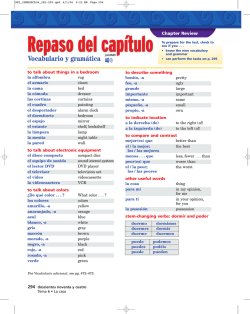
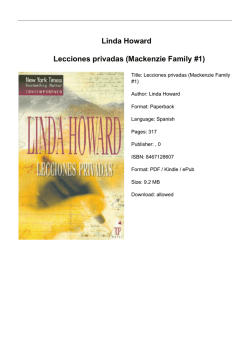
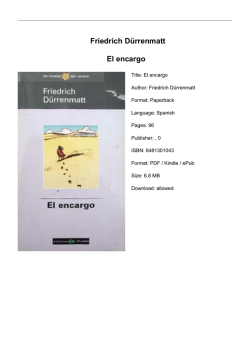
© Copyright 2026